

News
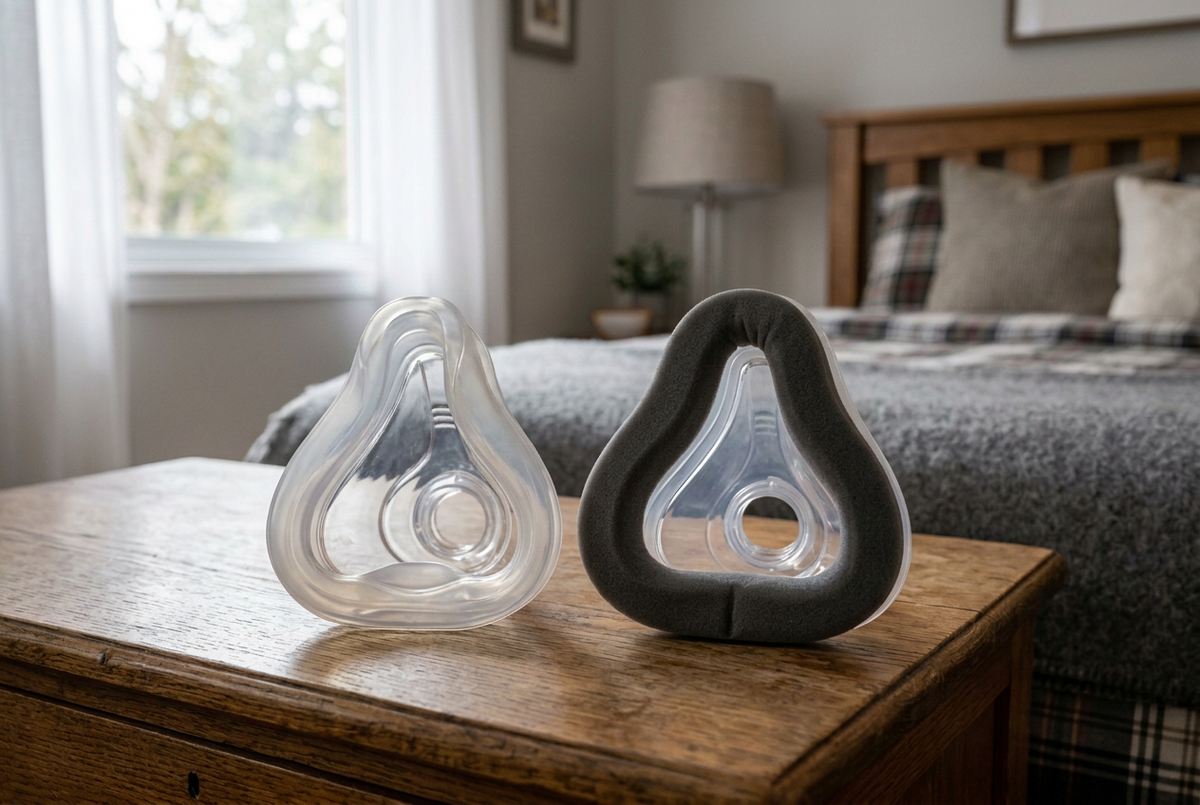

Nasal vs Nasal Pillow CPAP Masks: How to Compare the Fit
Nasal and nasal pillow masks both use the nose, but they touch the face in different places. Compare contact points, test the fit lying down, and know the device settings that interact with each style.
Learn more about Nasal vs Nasal Pillow CPAP Masks: How to Compare the Fit
CPAP Masks With Magnetic Clips: What to Check Before Buying
Magnetic headgear clips are convenient, but ResMed lists implants that rule these masks out for you or anyone sleeping close to you. Here is how to check eligibility and shop for the right mask.
Learn more about CPAP Masks With Magnetic Clips: What to Check Before Buying
Best CPAP Masks for Mouth Breathers in Canada
If you breathe through your mouth during sleep, a nasal mask will lose its seal and leave your sleep apnea untreated. Compare the best full-face CPAP masks in Canada for mouth breathers, plus fit tips for a reliable seal.
Learn more about Best CPAP Masks for Mouth Breathers in Canada
Most Comfortable CPAP Masks You Can Buy in 2027 (Ranked by Design & Fit)
Not all CPAP masks feel the same. This guide ranks the most comfortable CPAP masks in 2027 by design and fit — covering full-face, nasal, and nasal pillow options — so you can find the mask that keeps you in therapy and sleeping soundly.
Learn more about Most Comfortable CPAP Masks You Can Buy in 2027 (Ranked by Design & Fit)
When to Replace CPAP Parts: Filters, Masks & Tubing Buying Guide
Clogged filters, worn cushions, and cracked tubing can quietly undermine your CPAP therapy. Use this complete replacement schedule to know exactly when to swap every part — and shop brand-matched supplies at PAPSmart Canada.
Learn more about When to Replace CPAP Parts: Filters, Masks & Tubing Buying Guide
How to Keep Your CPAP Supplies Clean
Proper CPAP equipment cleaning is crucial for effective sleep apnea therapy and preventing harmful bacteria and mold buildup. This comprehensive 7-step guide covers everything from gathering the right cleaning supplies and hand washing to disassembling equipment, cleaning individual components with CPAP-specific products, thorough rinsing and drying, establishing regular cleaning schedules, and replacing filters and accessories. Following these steps ensures your CPAP equipment remains hygienic and performs optimally for better sleep health.
Learn more about How to Keep Your CPAP Supplies Clean
Which CPAP Mask is right for me?
wp:paragraph Are you feeling overwhelmed with all of the different types of CPAP masks? You are not alone! If you are just starting out in your CPAP journey, you may have noticed that there are many different types of masks to use with your CPAP machine. The best one for you depends on a number of factors, including your personal preference, your sleeping habits, how severe your sleep apnea may be and what is recommended by your doctor. /wp:paragraph wp:paragraph These are three of the main types of face masks for your CPAP machine, all of which can be found here CPAP Masks - PAPSmart Canada /wp:paragraph wp:image {"id":7504,"sizeSlug":"large","linkDestination":"none"} /wp:image wp:paragraph Full Face Masks /wp:paragraph wp:paragraph The full face mask covers both your nose and your mouth, and has side straps to secure it in place. This can be beneficial if you mainly breathe through your mouth, if you sleep on your back, or if you require a higher pressure setting to treat your sleep apnea. These masks also offer a seal against any leaking that may occur, which can improve your CPAP therapy overall. /wp:paragraph wp:paragraph Nasal Masks /wp:paragraph wp:paragraph Unlike the full face mask, the nasal mask covers only your nose while still supplying a consistent flow of air pressure. This mask option has a lighter fit overall and works for most mild cases of sleep apnea. The nasal mask is most recommended for those who move around a lot in their sleep, or if you mainly breathe through your nose. /wp:paragraph wp:paragraph Nasal Pillow Masks /wp:paragraph wp:paragraph The nasal pillow mask may seem similar to the nasal mask in many ways, however the main difference is that the nasal pillow mask fits at the bottom of your nose, as oppose to fitting over your nose as a whole. If you tend to feel claustrophobic in a full face mask, or if you require a lower pressure setting to treat your sleep apnea, this can be a great option. This mask gives you a full field of vision, especially if you like to read before bed, and also works for those who wear glasses or have a lot of facial hair. /wp:paragraph wp:paragraph /wp:paragraph
Learn more about Which CPAP Mask is right for me?CPAP and Your Relationship
wp:paragraph If you have sleep apnea, you know how both your sleeping and waking times are affected. But if you have a significant other, your sleep apnea can affect them too. Whether it is the snoring, the inattentiveness, or the fatigue, this condition will take its toll on both of you. But there are strategies you both can take to make your relationship work – even when you have a CPAP machine. Here is what you can do: /wp:paragraph wp:list {"ordered":true} Talk it out: How do you know what problems each of you face unless you discuss them? Be sure to do it in the day when both of you are in a good mood. Identify problem areas. Be flexible: You never know what is going to work, so give everything a try. For example, if the noise of a CPAP bothers your significant other, try using a white noise machine or a fan. You may need to sleep in another bed room for a while. Just don’t give up! Be patient: Rarely does something work perfectly on the first go. So before giving up on the white noise machine or fan, make sure you give it a few days before moving on. Perhaps try a different placement or a different setting. Try it!: If your spouse complains about the noise or disruptions, gently ask them to try on your mask or work the machine. Sometimes true understanding and sympathy comes from taking part. Your partner can relate easier to your situation, and possibly can make recommendations that will help. Ask for help: Everyone needs a helping hand once in a while, and that applies to you and your significant other too. If you find that nothing is working well enough, call your doctor. They can recommend strategies that perhaps you did not consider, suggest different types of masks or CPAP machines that may make the difference, and get you in touch with CPAP professionals who can give you hints and tips to make life - and your relationship - happier and healthier once again. /wp:list
Learn more about CPAP and Your RelationshipTop Tips for Sleep Hygeine
wp:paragraph Everyone has trouble sleeping sometimes. But if you experience sleep apnea or use continuous positive airway pressure (CPAP) therapy to treat the condition, you know how difficult it can be to get a good night’s rest. Unfortunately, for many sleep apnea suffers, poor sleep hygiene only serves to make the problem worse. /wp:paragraph wp:paragraph What is Sleep Hygiene? /wp:paragraph wp:paragraph Sleep hygiene refers to the daily habits and lifestyle choices that affect your quality of nighttime sleep. Cleaning up these bad habits can help you develop a sleep routine that promotes optimal nighttime rest and relaxation. /wp:paragraph wp:paragraph How to Improve Sleep Hygiene /wp:paragraph wp:list Get on a schedule. A consistent sleep routine helps your body fall into a healthy sleep-wake cycle. Go to bed on time and resist the urge to sleep in. Short daytime naps (no more than 30 minutes) are okay, as they can improve mood and give you a mental boost, but they are no substitution for nighttime rest. /wp:list wp:list Eat and drink wisely. Avoid meals that are fried, fatty or made with heavy spices or citrus. These foods cause indigestion and exacerbate heartburn in CPAP users. Drink alcohol in moderation and not too close to bedtime. Stimulants, such as caffeine and nicotine, should also be avoided later in the evening. /wp:list wp:list Stay active during the day. As little as 10 minutes of light exercise is enough to help sleep apnea suffers and CPAP users rest easier come bedtime. So take a walk around your neighborhood. /wp:list wp:list Develop a relaxing bedtime routine. Turn off TVs and mobile screens. Put on your pajamas. Do some light stretching. Read a book. Focus on things that help you wind down for the night. /wp:list wp:list If possible, sleep on your side. This helps keep your airway open for unobstructed breathing. When you sleep on your back, gravity collapses breathing muscles and blocks your airway. Stomach sleepers are less likely to experience apnea, but this position can cause neck pain and may interfere with CPAP mask function. /wp:list wp:list Consider a CPAP pillow. Many users complain about mask discomfort. For example, some masks dig into the skin and may leave marks on the user’s face. CPAP pillows contain indentations designed to alleviate this problem and can help align your neck and back. /wp:list wp:paragraph Practicing proper sleep hygiene can help you get a better night’s rest. If you have questions about how your daily habits may be affecting your sleep apnea, don’t hesitate to consult your physician. /wp:paragraph
Learn more about Top Tips for Sleep Hygeine