

Sleep apnea in women is significantly underdiagnosed. For decades, the condition was studied and described primarily in middle-aged men, and the criteria used to identify it reflected that. As a result, many women living with sleep apnea have gone undiagnosed for years, or received a different diagnosis entirely. Understanding how sleep apnea presents differently in women, and what to look for in equipment, is an important step toward getting the treatment that actually works.
How Sleep Apnea Presents Differently in Women
The classic image of sleep apnea is a man who snores loudly and stops breathing dramatically during the night. Women with sleep apnea often experience something quieter and easier to miss. The breathing interruptions tend to be shorter and less pronounced, and standard screening questionnaires developed around the male presentation often underestimate severity.
Women with sleep apnea are more likely to report symptoms like chronic fatigue, insomnia, morning headaches, anxiety, and depression rather than loud snoring. These symptoms overlap heavily with other conditions, which is one reason sleep apnea in women is frequently misattributed to thyroid issues, depression, or perimenopause before the correct diagnosis is made.
Postmenopausal women face a particularly elevated risk. Oestrogen and progesterone help maintain airway muscle tone during sleep. As these hormones decline after menopause, the risk of obstructive sleep apnea rises sharply. Research suggests that postmenopausal women have a risk profile comparable to men of a similar age, yet the diagnosis rate remains considerably lower.
Getting Diagnosed: What Women Should Know
If you experience chronic fatigue, unrefreshing sleep, or frequent waking despite adequate time in bed, it is worth raising sleep apnea specifically with your doctor. Because the symptoms overlap with many other conditions, being direct about requesting a sleep study referral is often necessary.
It is also worth noting that women's sleep apnea tends to occur more during REM sleep, which happens predominantly in the second half of the night. If your test comes back borderline or inconclusive but your symptoms persist, an in-lab overnight study captures the full sleep cycle and may reveal what a shorter recording missed.
CPAP Therapy for Women: How It Differs in Practice
CPAP therapy works the same way for women as for men. However, women on average require lower therapy pressures than men, and the pressure range prescribed tends to be narrower. An auto-adjusting CPAP (APAP) machine is particularly well-suited to this because it delivers only the pressure required at any given moment.
Comfort in the early weeks of therapy matters enormously for long-term compliance. Women report higher rates of CPAP discontinuation than men, which research suggests is partly related to mask fit and comfort. Equipment that fits smaller faces well improves the likelihood of sticking with therapy.
Choosing the Right CPAP Machine for Women
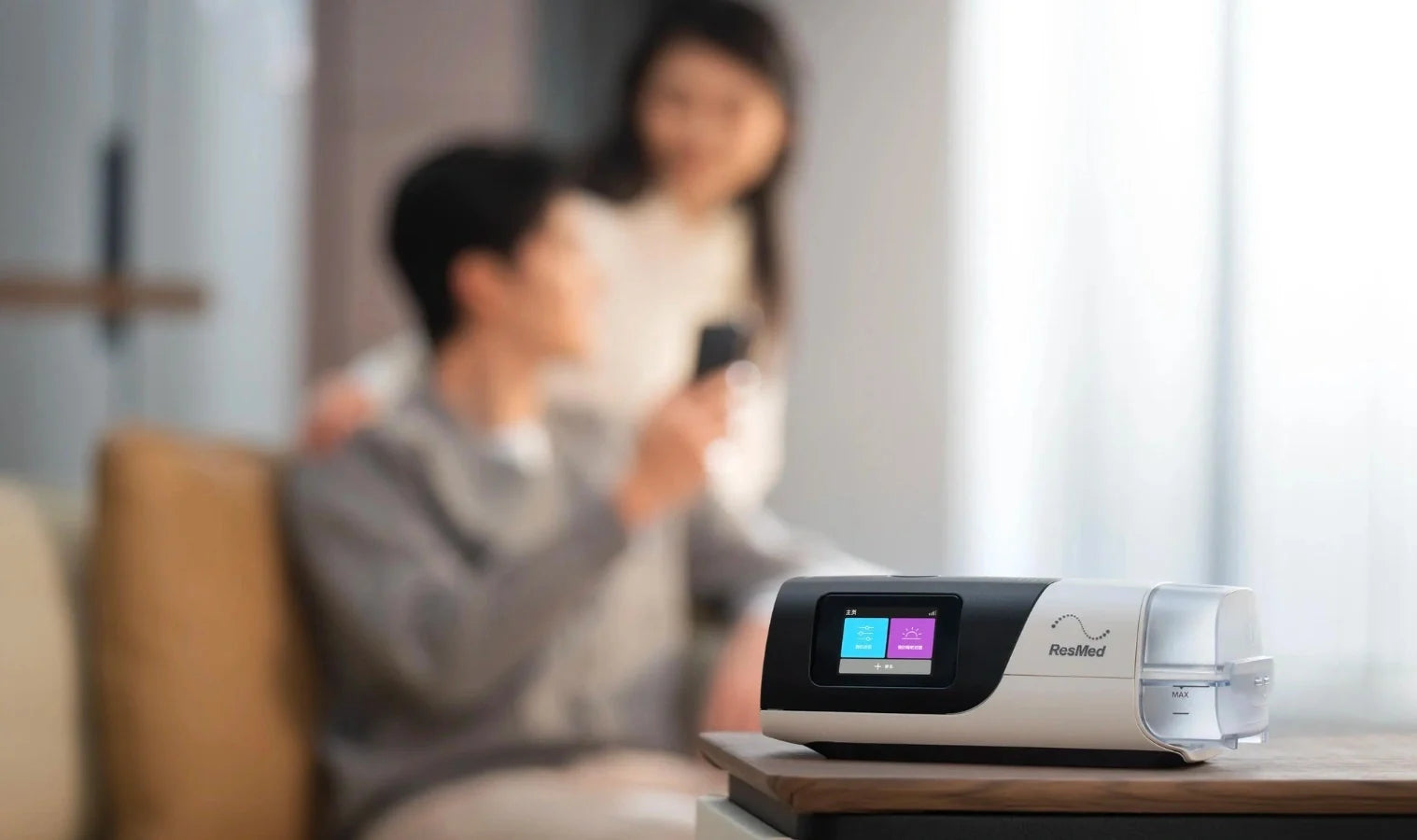
An auto-adjusting CPAP is generally the better choice for women, particularly those newly diagnosed. The ResMed AirSense 11 AutoSet and the ResMed AirSense 10 AutoSet are both strong options. The AirSense 11's enhanced myAir app and guided setup make it especially useful for new users navigating therapy for the first time.
Browse all CPAP machines at PAPSmart
Choosing the Right CPAP Mask for Women
Many standard masks are sized primarily for average male facial dimensions, which means women with smaller or narrower faces often need to look specifically at small sizes or masks designed with a narrower fit profile. Several masks perform particularly well for women:
- The ResMed AirFit N30i nasal mask uses an under-nose cushion that works well across a range of face sizes and is particularly suited to smaller faces.
- The ResMed AirFit P10 for Her is a nasal pillow mask specifically sized for women's facial dimensions, lighter than the standard P10 and calibrated for smaller noses.
- The Fisher and Paykel Eson 2 nasal mask uses a rotating RollFit cushion that adjusts to facial movement, more forgiving when standard sizing does not map exactly to your face shape.
Browse all CPAP masks at PAPSmart
Managing CPAP Comfort Through Hormonal Changes
Hormonal fluctuations can affect sleep apnea severity and CPAP comfort across the menstrual cycle, during pregnancy, and through perimenopause and menopause. Some women notice their sleep quality varies significantly at different points in their cycle.
During pregnancy, sleep apnea risk increases as weight changes and the growing uterus affects breathing mechanics. Women who were managing sleep apnea before pregnancy should maintain therapy throughout. After menopause, therapy needs may change and a follow-up sleep study may be needed to ensure pressure settings still match your current requirements.
Frequently Asked Questions
Can women have sleep apnea?
Yes, and it is more common than most people realise. Sleep apnea is chronically underdiagnosed in women because the symptoms often differ from the classic male presentation.
What are the signs of sleep apnea in women?
Chronic fatigue, unrefreshing sleep, morning headaches, insomnia, mood changes, and difficulty concentrating are common in women with sleep apnea. Loud snoring occurs less frequently than in men but is still present in many cases.
Is there a CPAP machine designed specifically for women?
No CPAP machine is gender-specific, but auto-adjusting machines are generally better suited to women's typical pressure ranges. The ResMed AirSense 11 AutoSet is a strong choice for most new female users.
Are there CPAP masks designed for women?
Yes. The ResMed AirFit P10 for Her is specifically sized for women's facial dimensions. Many other masks are available in small sizes that work well for smaller faces regardless of gender.
Does menopause cause sleep apnea?
Menopause significantly increases the risk of sleep apnea. The decline in oestrogen and progesterone reduces airway muscle tone during sleep. Postmenopausal women who experience new or worsening sleep symptoms should discuss a sleep study referral with their doctor.


