

News


Insomnia and Pandemic Stress
wp:paragraph Do you find yourself experiencing insomnia more than ever these days? /wp:paragraph wp:paragraph With the recent rise in Covid-19 cases thanks to the new Omicron variant, this is extremely common. A lot has recently changed with respect to gatherings, travel, work from home orders, and more, and many people are experiencing stress and not sleeping well as a result. Whether you are back to working remotely, limiting gathering with others, or if you are one of the unlucky ones that have had to deal with isolation or a positive test result, it is very common for sleep to be affected by all the uncertainty in the world right now. /wp:paragraph wp:paragraph If you are experiencing insomnia because of all of this, you are not alone. Here are a few tips to help insomnia related to pandemic stress. /wp:paragraph wp:paragraph Limit technology and media consumption /wp:paragraph wp:paragraph As tempting as it can be, try to avoid the overuse of your electronic devices including phones and tablets. Furthermore, be careful as to how much of the news you watch or read, especially news that is related to the pandemic as this can cause a lot of unnecessary anxiety, which in turn can affect your sleep. If you absolutely must keep up with the news, try reading only a few articles with relevant information or limit your news watching to 30 minutes so you don’t feel anxious and overwhelmed. /wp:paragraph wp:paragraph Get moving /wp:paragraph wp:paragraph Exercise can be extremely beneficial for helping to combat stress related to the pandemic. While some options may be limited thanks to the cold outdoor temperatures, some of the simpler exercises such as going on a walk or doing a short yoga routine at home can help with this. Exercise helps to release endorphins which are beneficial to your body when it is time to go to sleep. /wp:paragraph wp:paragraph Stick to a routine /wp:paragraph wp:paragraph For many people, stress tends to escalate when any sort of routine you have is thrown off. Routines tend to help us maintain a healthy and balanced lifestyle and to feel a sense of normalcy. This is especially true when it comes to routines that coincide with sleep. Make sure you stick to a good bedtime routine at night, which includes going to bed and waking up at the same time each day (or as close to the same time as possible). /wp:paragraph
Learn more about Insomnia and Pandemic Stress
Sleep and the winter solstice
wp:paragraph December 21st marks the shortest day of the year, otherwise known as the winter solstice. What does this mean for your sleep? /wp:paragraph wp:paragraph The winter solstice occurs when the amount of daylight is the shortest it will be all year based on how the sun moves around the earth. If the lack of daylight is already starting to feel like a nuisance, be prepared for that day to feel a little “darker” than normal. /wp:paragraph wp:paragraph How the winter solstice can affect your sleep /wp:paragraph wp:paragraph Although it may be easy to think that darkness outside means better sleep, this is not necessarily the case. Your internal clock, also known as your circadian rhythm, relies on a 24-hour clock, which can be thrown off from the daylight outside (or lack of), making it more difficult to sleep. Insomnia is very common from this, and you may also find that it takes you longer to fall asleep as well. /wp:paragraph wp:paragraph Also, it is perfectly normal for you to feel a little more tired and fatigued than normal during the daytime hours thanks to the lack of daylight. You may also find yourself feeling a little moody and unmotivated from the lack of daylight, which in turn can affect your sleep. /wp:paragraph wp:paragraph A few tips to beat the winter blues /wp:paragraph wp:paragraph Try and get outside during the daytime when it is light out, as your circadian rhythm can be improved from exposure to sunlight. While this may not be possible every day, there are daylight lamps that may help with this. /wp:paragraph wp:paragraph Avoiding technology before bed is also important for sleeping better. The blue light from your cell phone can disrupt your circadian rhythm and make it difficult to fall and stay asleep. Experts recommend doing stretches before bedtime to help you feel relaxed. /wp:paragraph wp:paragraph A few other things that will help include reading a book before bedtime, using a sleep mask, keeping the temperature of your room on the cool side and using blackout curtains to help you sleep better. /wp:paragraph
Learn more about Sleep and the winter solstice
Sleep Tips for the Holidays
wp:paragraph The holiday season can be such a wonderful time of year, but it can also be very disruptive to your sleep schedule in a number of ways. Don’t let the lack of sleep turn you into a grinch! Here are a few ways in which your sleep can be disrupted over the holidays, and how to fix it. /wp:paragraph wp:paragraph Being too busy: yes, the holidays are a busy time between parties, gatherings, shopping, and more. This can make you feel overwhelmed and in turn, can affect your sleep if you are feeling anxious about everything you have to do. Take some time to slow down. Prep in advance as much as you can so you don’t feel as overwhelmed and try not to take on more than you can handle. /wp:paragraph wp:paragraph Eating habits: it’s natural to want to indulge in some of your favorite foods at this time of year, it’s just too irresistible! But be careful, going to bed when you feel too bloated can disrupt your sleep and cause insomnia, not to mention it can be very uncomfortable. Pace yourself at the dinner table and stop eating when you feel full. /wp:paragraph wp:paragraph Drinking too much: whether you are gathering with loved ones or just enjoying a quiet night at home where you don’t have to work the next day, many people tend to go overboard drinking during the holidays. Drinking too much alcohol before bedtime can disrupt your REM sleep, making for a very restless night. An extra drink or two is usually okay but don’t go too crazy, and be sure to stay hydrated. /wp:paragraph wp:paragraph Not enough exercise: while it may seem too easy to just sit on the couch watching your favorite Christmas movies, be sure to get up and get in some physical activity. Try to go for a walk at least once a day or take this time to partake in your favorite outdoor winter activity. It can also be a great family bonding opportunity. /wp:paragraph wp:paragraph Sleeping in and staying up late: yes, late nights happen, and if you stay up late then you may find yourself sleeping in as a result, especially if you know you don’t have to work the next day. Slip-ups happen and that’s okay! Just make sure you don’t deviate too much from your routine and you get back on track the next day. /wp:paragraph
Learn more about Sleep Tips for the Holidays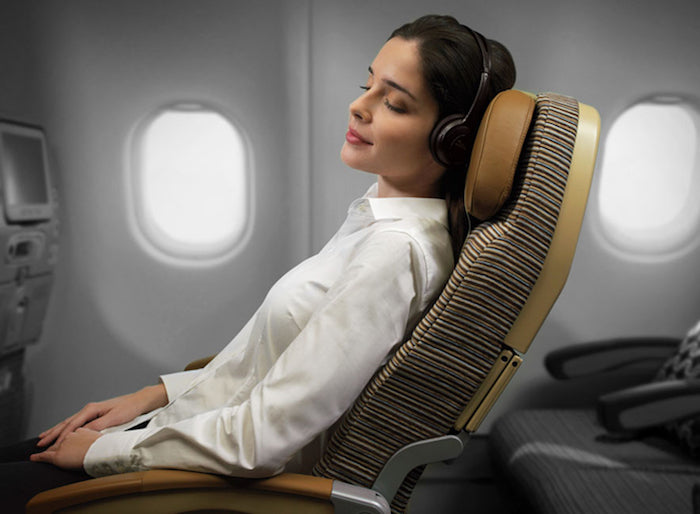
Sleep Tips for Holiday Travel
wp:paragraph Thinking of going away over the holiday? Many people experience poor sleep whenever they travel, whether they are going to an unknown destination or staying with family. All of the excitement and disrupted routines surrounding the holidays do not help either. /wp:paragraph wp:paragraph Whether you are going on a road trip or braving the airports to venture somewhere a little further away, here are a few tips to keep in mind to help make sure you can still get a good night’s sleep wherever you are. /wp:paragraph wp:paragraph Plan ahead: stress is one big reason why sleeping away from home is not always great. Take the time beforehand to figure out other factors like packing, your itinerary, and other logistics to reduce stress while you are away. /wp:paragraph wp:paragraph Maintain a routine: while your normal sleep routine may be disrupted, try your best to stick to your usual sleeping routine. Try to go to bed as close to your normal bedtime as you can and limit the use of technology for 1 hour before you go to bed. If you are traveling to a different time zone, be sure to adjust your sleep to the current time zone in order to make the most of your trip. /wp:paragraph wp:paragraph Bring the essentials: Be sure to pack a few sleeping essentials such as earplugs, sleeping masks, melatonin, warm pajamas, and your favorite book just to make yourself feel at home and more comfortable at bedtime. /wp:paragraph wp:paragraph Practice healthy habits: sticking to healthy diet and exercise habits will help with your sleep. Eat a balanced diet, get some exercise throughout the daytime, and don’t overdo it with alcohol. /wp:paragraph wp:paragraph Relax and enjoy the holidays: it’s a happy and joyous time of year so make sure you give yourself time to enjoy it! Bad sleep happens to everyone at some point. If you have one rough night’s sleep, give yourself a little grace. It’s just one night and you can get back on track the next day. /wp:paragraph wp:paragraph After reading sleep tips for holiday travel you can read "Travelling with a CPAP Machine". /wp:paragraph
Learn more about Sleep Tips for Holiday Travel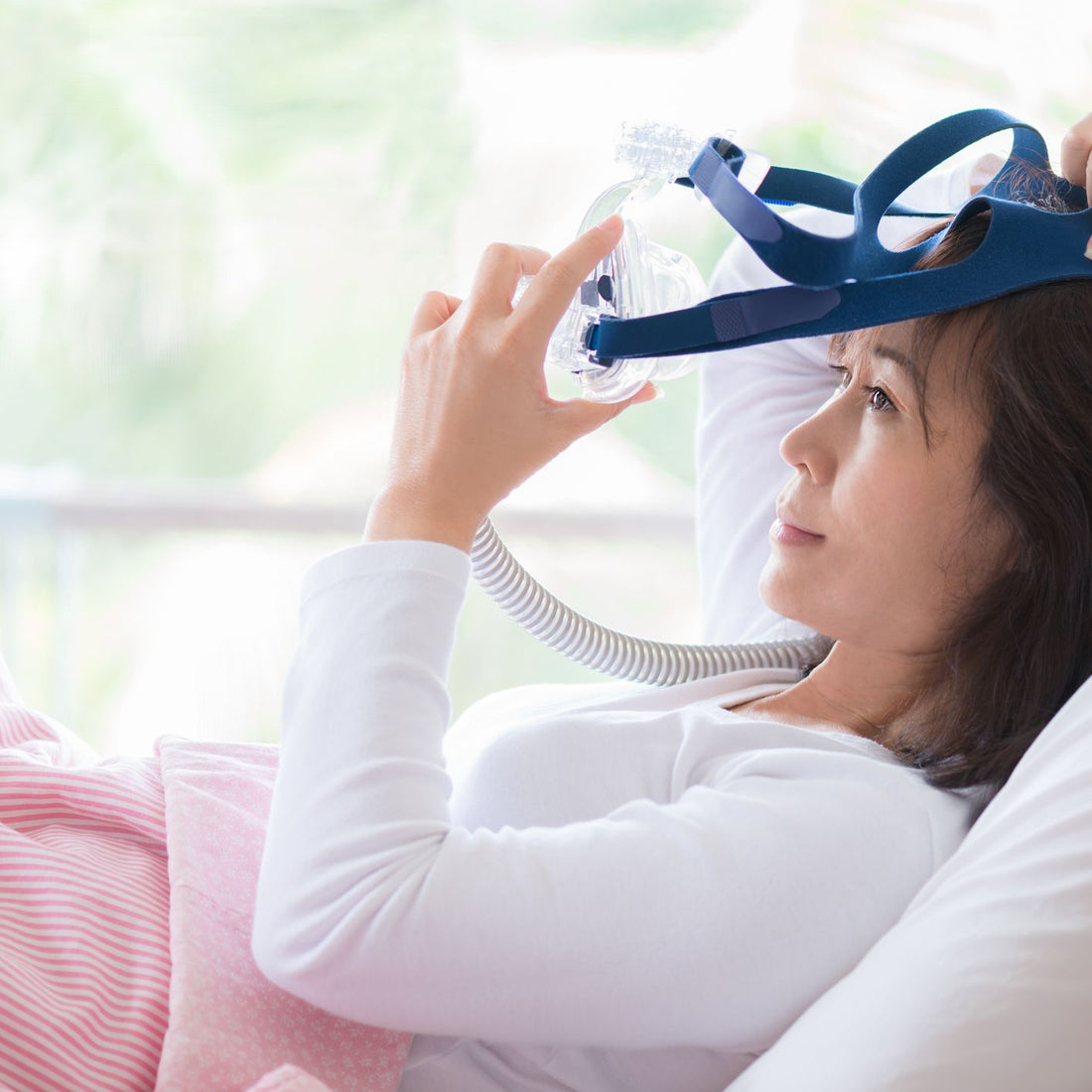
Get Your CPAP Ready For The Winter
wp:paragraph The nights are starting to get colder, but this doesn’t mean that your sleep needs to suffer as a result. Sleep apnea symptoms have been known to be much worse in the wintertime, thanks to the cold and dry air that can dry out your mouth and nasal passages, making it more difficult to sleep. If you use a CPAP machine, then now is the time to make sure it is ready for winter use! Here are four things to think about when it comes to getting your CPAP ready for the winter. /wp:paragraph wp:paragraph Don’t skip humidification: This doesn’t just apply to the humidifier you may use in your bedroom to prevent dry air (though this is beneficial in sleeping better) using a humidifier and/or heater with your CPAP machine will help to prevent your airway from drying out and make for a more comfortable user experience overall. /wp:paragraph wp:paragraph Make sure the parts are in working order: Take a moment to do a quick inventory of all the parts on your CPAP machine, including the tubing, the mask, humidifier and any filters that may be required. If a part is wearing down or not in good working condition, then this can cause the rest of the CPAP to not work properly. Don’t wait until it’s too late to replace these parts, make sure you get them ahead of time. /wp:paragraph wp:paragraph Keep the machine clean: Regular cleaning of your CPAP is important at any time of year, but this is especially the case in the wintertime, when your humidifier and/or heater is being used on more of a regular basis and moisture from this builds up. /wp:paragraph wp:paragraph Don’t skip the CPAP when you are sick: Colds are no fun, and it may be tempting to skip the CPAP for just a night or two if you are feeling stuffed up but don’t do this! Rest is extremely important for recovery, and skipping the CPAP even for just a night can cause your sleep apnea symptoms to worsen and make for a poor night’s sleep. /wp:paragraph
Learn more about Get Your CPAP Ready For The Winter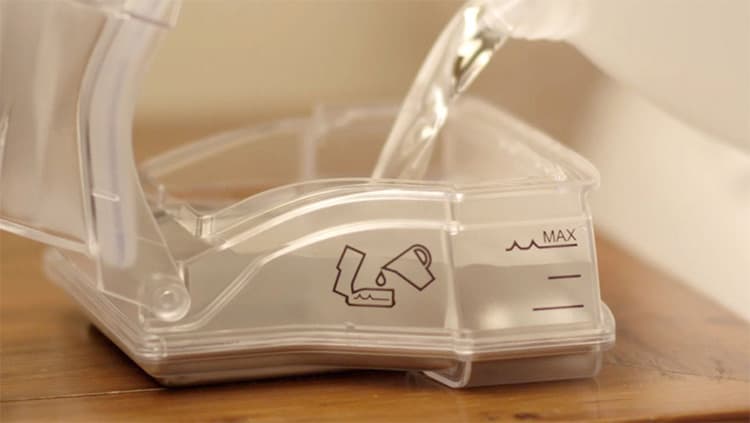
CPAP Humidification in the Cold Months
wp:paragraph If you use a CPAP machine and you are finding yourself waking up feeling a little dry and stuffed up these days, then you are not alone. This is very common amongst CPAP users, especially in the cooler months. /wp:paragraph wp:paragraph But fear not, there are ways to fix this. Did you know that you can get a humidifier specifically for your CPAP machine? /wp:paragraph wp:paragraph How CPAP humidification works /wp:paragraph wp:paragraph The pressurized air passed throughout your CPAP device without humidification tends to be very dry and can cause your nasal passages to dry out. Especially in the cooler months, where the air is already dry, this may cause many symptoms amongst CPAP users, including dry or runny nose, chapped lips, nose bleeds, and mild sinus-type headaches. /wp:paragraph wp:paragraph Typically your nose warms up the air you breathe in general, but this is not the case when you are using a CPAP machine, because the pressurized air is passing through your nasal passages so quickly, your nose doesn’t have time to warm the air which can cause these symptoms. /wp:paragraph wp:paragraph The CPAP humidifier is an external chamber attached to the CPAP machine that gets filled up with water. While you are using the CPAP machine, the pressurized air is passed through the humidification chamber and routed through the tubing to your mask. Some newer CPAP models already come with a humidifier attached, but other times this is something you will need to purchase separately. /wp:paragraph wp:paragraph The benefits of CPAP humidification /wp:paragraph wp:paragraph There is no question that these symptoms from lack of humidification can be very uncomfortable. With the humidified air flowing through the CPAP machine, and through your nasal passages, this will prevent the dry symptoms that you may be experiencing, and provide you with a much more pleasant experience using the CPAP device. /wp:paragraph wp:paragraph Distilled water is generally recommended to use with your humidifier in order to prolong its life span. Keeping the humidifier and the tubing clean on a regular basis is also important. /wp:paragraph wp:paragraph Be sure to check out papsmart.com for CPAP humidifier options. /wp:paragraph
Learn more about CPAP Humidification in the Cold Months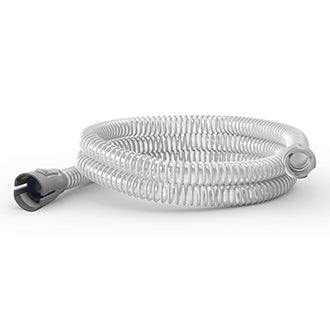
The Benefits of Heated CPAP Tubing
wp:paragraph Now that the nights are getting colder, the air outside is also getting dry. If you regularly use a CPAP machine to help treat your sleep apnea, then you will know that dry air can be your worst enemy. If you are waking up with a sore throat or a dry nose then you are not alone as this is very common amongst CPAP users. It may be time to think about adding heated tubing into your CPAP routine. /wp:paragraph wp:paragraph While it may sound like an added extra, heated tubing can have numerous benefits for CPAP users and can provide a more pleasant user experience with your CPAP machine. /wp:paragraph wp:paragraph Humidification /wp:paragraph wp:paragraph Sure you may already have a humidifier for your CPAP machine, but keep in mind that the humidified air still has to travel approximately 6-10 feet to the mask, depending on the length of the tubing you use. Heated tubes keep the pressurized air warm, which helps to maintain the humidity. This can help to prevent some of the unpleasant effects of dry air you may experience in the mornings, such as a sore throat and dry nose. /wp:paragraph wp:paragraph Eliminating condensation /wp:paragraph wp:paragraph Heated tubing also helps to prevent “rainout,” which is condensation build-up inside of the tube and around it. If too much condensation builds up inside the tube with nowhere else to go, it can leak into your mask or onto the pillow, which can be very unpleasant and inconvenient. /wp:paragraph wp:paragraph While heated tubing can provide added peace of mind come bedtime, it is important to remember to keep the tube and all of the other parts clean on a regular basis. This will help to extend the life span of the tube and keep it in perfect working condition. Be sure to check out papsmart.com to see what heated tubing options are offered. /wp:paragraph
Learn more about The Benefits of Heated CPAP Tubing
Don’t Let your Sleep Suffer from Daylight Savings
wp:paragraph In just a few days, the clocks will all fall back an hour thanks to the daylight savings time change. So while you actually gain an extra hour of sleep, this tends to wreak havoc on many people’s sleep schedules. /wp:paragraph wp:paragraph Many people have a hard time transitioning their sleep habits to the new time, and insomnia is very common with a time change. But there are a few things you can do to prepare yourself for this time change and adjust your sleeping schedule flawlessly. /wp:paragraph wp:paragraph Transition slowly /wp:paragraph wp:paragraph Sure, that extra hour may sound beneficial, but not so much when you find yourself waking up an hour earlier than normal. A few days before the time change, it may be helpful to push your bedtime ahead by increments of just 10-15 minutes each day to make the transition smoother. If necessary, you may also find that a short nap during the day may be beneficial, just to get your sleep schedule back on track. /wp:paragraph wp:paragraph Don’t deviate from your sleep routine /wp:paragraph wp:paragraph Even in a time change, sticking to the same sleep routine and practicing good sleep hygiene is important to help you adjust when the clocks go back, and prepare your body for a good night’s sleep. Avoid caffeinated beverages and large meals close to bedtime and limit the use of electronics. Keep your bedroom dark and slightly cool and get rid of anything distracting you from sleeping. /wp:paragraph wp:paragraph Get outside! /wp:paragraph wp:paragraph Getting in some sunshine will help your biological clock to better adjust to the time change, not to mention the huge benefits that regular exercise has on your sleep cycle. Although the weather is getting cooler, try and get outside for a 20-30 minute walk per day. If that can’t be done, try and get some sunlight into your home by opening the blinds in the morning. /wp:paragraph
Learn more about Don’t Let your Sleep Suffer from Daylight Savings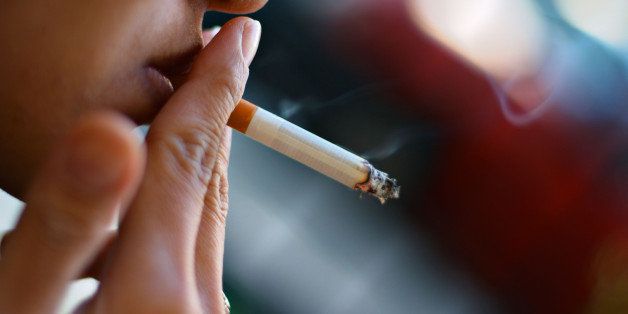
Is Smoking Making your Sleep Worse?
wp:paragraph You probably know that smoking cigarette can have a negative impact on your overall health, but did you know that smoking can be the cause of many sleep problems for adults? /wp:paragraph wp:paragraph The effect of smoking cigarettes on sleep /wp:paragraph wp:paragraph Smoking cigarettes can not only affect your body’s internal clock in a negative way, but it can also raise your risk of developing sleep apnea and can also cause your sleep to be fragmented, meaning your overall sleep is restless, or you experience insomnia. /wp:paragraph wp:paragraph This is because of nicotine, which is the active ingredient found in cigarettes. Nicotine has been known to have a stimulating effect, but not one that is beneficial for sleeping. Cigarette smoking has been known to temporarily reduce anxiety and help people to feel more awake and alert. This is, however, a temporary effect, which is not exactly beneficial for getting a well-rested sleep at night. /wp:paragraph wp:paragraph For this reason, doctors typically advise against smoking if patients are experiencing sleep problems. /wp:paragraph wp:paragraph If you are planning on quitting smoking /wp:paragraph wp:paragraph Quitting smoking is not easy and can take some time. It is best to speak to your doctor if you plan on quitting smoking, as they can help you come up with a plan that works best for you and your overall health. /wp:paragraph wp:paragraph While the process of quitting smoking may be frustrating, it is important to remember that the long-term effects can be extremely beneficial for your sleep. In fact, sleep apnea patients who quit smoking after being diagnosed have reported substantial improvements in their sleep quality from quitting smoking. /wp:paragraph wp:paragraph Don’t expect your sleep to improve right away. Typically, the first few days of quitting can have some unpleasant side effects, and the withdrawal symptoms can continue towards the evening hours when it’s time for bed. Be prepared for the fact that you may experience a few sleepless nights in addition to the cravings and irritability. Make sure you surround yourself with a good support system, practice good sleep hygiene, and be patient. /wp:paragraph
Learn more about Is Smoking Making your Sleep Worse?