

News
Building your CPAP support team
There’s no question that starting to use a CPAP machine for the first time can be very overwhelming. And many first time CPAP users often give up on their device or take a long time to adjust to it. As underrated as this may sound, many CPAP users underestimate the value of having a support team on their side. It is easy to think that something like a CPAP machine will be simple and easy to use, however many people quickly realize that a CPAP machine is actually more complex than it may seem. Using the CPAP machine itself is new and different. You will have to get used to sleeping with a mask worn across your face every night, something that you will likely have never experienced before. It’s easy to just give up on the machine right away when you get frustrated. Then this leads to your sleep apnea symptoms getting worse, and giving you a not so great quality of life. Aside from all this, having a support team helps with the little things related to your CPAP machine, such as the cleaning process, recommendations of the best parts for your machine and questions about things like insurance for your CPAP machine. So who exactly might be involved in your support team? Close family and friends: these are the people who are with you every day and will likely be the first that you turn to in a time of need. While they may not be CPAP users, they may be your face of encouragement when the machine gets you down Other patients who use a CPAP machine: as great as your family and friends will be, they are not the ones using the CPAP machine. By reaching out to other people who are in your position, it is helpful to know that you are not alone in this journey and they will understand what you are going through and may be able to offer some advice or support. There are many online forums dedicated to CPAP patients, or there may be a support group in your area A medical professional that you trust: this is incredibly important as they make the medical decisions that affect your lifestyle and you need to be able to be involved, and speak up when there is an issue This is why connecting with other CPAP users and medical professionals can be helpful so that you have reassurance that you are not alone in all of this. Your doctor will know of any support groups in your area or ways to connect with other people who use a CPAP machine. Also, don’t be afraid to look right in front of you to your own friends and family members who want the best for you. Explore All CPAP Products and Collections Discover the Smart Nora Snoring Solution
Learn more about Building your CPAP support teamSleep apnea in children
When you think of people with sleep apnea, it’s easy to stereotype the overweight, middle aged man as the perfect sleep apnea candidate. But have you ever thought of who else this could affect? Sleep apnea in children, while not as common, it is something that occurs more often than you think. Often, it starts with snoring: one of the most common symptoms of sleep apnea. But the place where many parents become concerned is when a child is visibly struggling to breathe as they are sleeping. If your child is making a choking or gasping sound in their sleep, this is where it becomes problematic. According to the National Sleep Foundation, children with sleep apnea may also come across as very tired and exhausted throughout the daytime. It could also contribute to behavioural problems at school for some children. For many parents who have a child with sleep apnea, there are many questions and apprehensions. How could this have happened? I thought only adults get sleep apnea? Well there are a number of factors that can contribute to sleep apnea in children. This includes their family history, being overweight, having existing health problems, enlarged tonsils or defects in the airway that have the potential to cause a blockage. As overwhelming as it may be for everyone involved, it is important to try and stay positive, and remember that sleep apnea IS treatable. Many children with sleep apnea use a Continuous Positive Airway Pressure (CPAP) mask to help them breathe normally when they sleep at night. Doctors may also recommend some lifestyle changes for children, including exercise and diet changes. It is also common for doctors to remove a child’s tonsils to help alleviate the sleep apnea. Sleep is vital to a growing child’s health, so this is something that should never be ignored. Your doctor will no doubt be your best resource for any concerns you may have. Be sure to seek out help from your pediatrician if you think your child has sleep apnea. Shop Comfortable CPAP Masks Shop and save on all cpap machines and accessories at Papsmart.com
Learn more about Sleep apnea in children
I am afraid I won't be able to sleep with a mask on my face
The idea of the CPAP mask is a common anxiety amongst newly diagnosed sleep apnea patients. Having to wear this seemingly huge device across your face that exerts controlled air pressure while you sleep is something most sleep apnea patients are not thrilled with at first. Fear not, this is a common concern amongst many new CPAP machine users and probably one of the biggest questions that doctors and sleep specialists are asked by their patients. If you’ve never had to sleep with a mask over your face then this will take some getting used to, no matter how open to the idea you may be. A first step in this is educating yourself as to the different types of masks out there. The three main types of masks for CPAP machines include: Nasal masks, which go over your nose A “nasal pillow” mask that just fits under your nose A full face mask that covers your mouth and nose The type of mask you use will depend on what feels comfortable to you. For many people who are just starting out with a CPAP machine, it may be a case of trial and error with the masks, and that is okay. Once you find the mask that best fits you and your lifestyle, you will need to stay consistent with it every night in order for it to finally feel like a part of your routine. Shop Comfortable CPAP Masks Here are a few tips that may help you get used to your CPAP mask: Try wearing just the mask for a few hours during the daytime while you work around the house, watch TV etc. just so you can get used to the idea of the mask across your face. Know what your own comfort level is. If you tend to be very claustrophobic, then the full face mask may not be for you. Similarly, those with a stronger case of sleep apnea may be better off starting with a full face mask Seek advice from your doctor or sleep specialist: they will know all about the type of sleep apnea that you have and are very well educated as to what is out there in terms of CPAP masks Many people who regularly use a CPAP have consistently raved about how much their sleep improved from continued use of their CPAP mask. So while it may sound like a lot to digest at first, just remember the end result: a better night’s sleep. Masks of all types are available on papsmart.com. Shop and save on all cpap machines and accessories at Papsmart.com
Learn more about I am afraid I won't be able to sleep with a mask on my faceI have sleep apnea: what do I do next?
So you’ve finally found out what is causing your snoring problems and many bad night’s sleep and your doctor has just diagnosed you with sleep apnea. While there may be some relief as to knowing what has been causing your sleep problems, you may be feeling a bit overwhelmed, and you may have questions and apprehensions as to what happens next. First of all: it is important to know that you are not alone. Sleep apnea affects thousands of Canadian men and women each year. It is also important to know that while there is no actual cure for sleep apnea, there are ways to alleviate your symptoms so that you sleep much better at night and you have a better quality of life overall. Sleep is one of the most important factors in living a healthy lifestyle along with eating right and getting exercise. So without it, many people experience a lot of problems with daytime fatigue and drowsiness. The two main types of sleep apnea are: Obstructive sleep apnea: the most common type, where the tissue at the back of your airway relaxes to the point where it can become blocked. Many people snore loudly as a result of this. Central sleep apnea: where your brain does not signal to the muscles that control your airway, often resulting in it becoming blocked. If you have not done so already, be sure to sit down with your doctor or sleep specialist and discuss that the next steps are in treating your condition. This is the perfect time to ask any questions that you may have and the two of you can figure out the best treatment plan for you. Some people have a milder case of sleep apnea than others do, so the way one person deals with it may be vastly different from other people. Your doctor will know best as to what type of sleep apnea you have, and what kind of treatment plan will work best for you. One of the most popular, and recommended treatments is the Continuous Positive Airway (CPAP) machine. This is a mask that you wear at night, connected to a machine that exerts a continuous flow of air, so that your airway stays open as you sleep. This is known to be very successful for providing relief almost immediately, and many CPAP users have testified to having more mental and physical energy during the daytime. Your doctor may also recommend that you make some changes to your lifestyle in order to help alleviate your sleep apnea, including healthy eating and getting regular exercise. So you see, sleep apnea is treatable and you are not alone! Be sure to confide in your doctor as to your next steps towards getting a good night’s sleep. Discover the Smart Nora Snoring Solution
Learn more about I have sleep apnea: what do I do next?
Are Sleep Apnea Machines Loud?
Perhaps a better question is will noise from a CPAP machine wake someone up or keep them or their loved ones awake. In short - no. A CPAP machine is a device that provides Continuous Positive Airway Pressure (hence the acronym). This air pressure is the best known treatment for sleep apnea and snoring. Snoring and sleep apnea are caused by the airway collapsing or being blocked and the air pressure helps keep it clear. In many patients, it makes the difference between a good nights sleep and a fitful restless one. Many people consider the machine to be their sleep savior. What causes the sounds when using a CPAP machine? 1 - The motor. A CPAP works on the same principle as a vacuum cleaner so has a similar sound but much quieter. 2 - The sound of air forced through the openings in the tubes. Air makes more sound as it moves faster and smaller tubes create more pressure and more sound. The pressure is what is needed for a CPAP machine to work properly so reducing this is not an option. 3 - The mask can cause some sound. Again, it is the sound of the air being forced through it. Or it is the air escaping the mask. The masks are designed to allow air to leave as the patient breathes out. If air leaves where it is supposed to, there is less sound. 4 - Natural breathing. Your breath pushes against the air coming in and creates a sound. There is a difference between noise and sound. Noise is confused changes in sound. The sound from a CPAP machine is continuous and it is changes in sound levels that tend to wake us up. CPAP sound is continuous white noise. Your breathing is what causes any variation in sound. This creates a soft rhythmic sound that is quite soothing to many people. Human beings are built to be aware of changes in sound but comfortable with continuous sounds like these. Some people like to imagine the sounds they hear are the sounds of breath (which they are) or waves from the ocean. Breath and waves are soothing. These can work to help lull them to sleep. Some of the older machines were loud which is why some people still hold on to the belief they are noisy. Sound is created by the fan in the machine but this can be accentuated by forcing the air through a tube - thus creating noise. New fans are quieter and the machines are engineered deliberately to be quiet. Some masks are louder than others. Typically those with less room for the air to move through create more sound. A reputable mask supplier can explain the features and sound levels coming from the various alternatives. Another noise associated with a machine can be air escaping from a leaky, poorly fitted air mask. This is easily fixed and is not really CPAP noise but an easily fixed side effect. So the sound of the machine is nominal and not a problem in most cases. The benefits of the machine for most people far outweigh any "noise" issues. If someone is very, very sound sensitive, there are still simple earplugs that some people use. Sleep Peacefully: Discover Quiet CPAP Machines
Learn more about Are Sleep Apnea Machines Loud?
Is a CPAP machine covered by healthcare?
wp:paragraph What is CPAP? /wp:paragraph wp:paragraph Continuous Positive Airway Pressure, often just called CPAP, is a system that uses light pressure to help keep a person's airways open, particularly at night. It is typically used by those people who have breathing issues, including sleep apnea. /wp:paragraph wp:paragraph The CPAP machine can include a mask that fits over your mouth and nose to prevent your airways from closing while you sleep. /wp:paragraph wp:paragraph Costs of a CPAP machine /wp:paragraph wp:paragraph One issue with the machine is that it can be expensive. For Ontario residents however, the Ministry of Health and Long-Term Care has a program called the Assistive Devices Program (ADP) which can offset some of the costs associated with various machines, including CPAP. ADP will pay 75% of their approved price of a machine, and you will need to cover the other 25%. /wp:paragraph wp:paragraph Other provinces offer their own level of funding. For example, Saskatchewan provides the CPAP systems but users need to buy their own mask, the humidifier and any other accessories needed. In Manitoba, approved CPAP systems, including the unit itself, the mask, and accessories, are provided by the province. Other provinces, such as Alberta, offer funds for CPAP therapy for eligible seniors with specific income thresholds. Other provinces offer a limited amount of funding for CPAP machines. /wp:paragraph wp:paragraph At a national level, some Veteran Affairs Canada and Non Insured Health Benefits funding may be available for those who are eligible. /wp:paragraph wp:paragraph Who can apply to CPAP funding programs? /wp:paragraph wp:paragraph Any resident provincial with a valid health card in their name who has doctor-diagnosed obstructive sleep apnea and who meets all other eligibility criteria can apply to CPAP funding programs. /wp:paragraph wp:paragraph You may be required to attend a sleep clinic to verify our eligibility. Your sleep physician and clinic staff will determine the type of equipment you need. /wp:paragraph wp:paragraph Can your personal health insurance company cover the remaining CPAP costs? /wp:paragraph wp:paragraph Many insurance companies will cover the remaining expenses of obtaining a CPAP machine. Contact your insurance agent for more information. /wp:paragraph wp:paragraph What equipment and supplies does a person need? /wp:paragraph wp:paragraph A CPAP system can consist of the some or all of the following items: /wp:paragraph wp:list The actual CPAP device A heated humidifier A mask and related head gear Tubing Carrying case Caps and filters Power cord Instruction manual /wp:list wp:paragraph If you need other parts that are not included as part of the system, you may need to pay for those costs yourself or through your insurance. /wp:paragraph wp:paragraph What happens when you need to replace your CPAP equipment? /wp:paragraph wp:paragraph Some provinces, such as Ontario, may contribute funds towards replacing your equipment when it no longer works, cannot be repaired, and has past the warranty date. Note that you still need to meet the necessary eligibility requirements. /wp:paragraph
Learn more about Is a CPAP machine covered by healthcare?Getting ready for 2016: New Year’s Resolution tips for CPAP Users
wp:paragraph Happy 2016! The New Year signifies a fresh start and a new beginning for many people. Some try to exercise more and eat better, others simply strive to be more open minded in their lives. If you use a CPAP machine, the New Year can also be a perfect time to step it up in terms of your parts replacement schedule, or improving your overall sleep habits. /wp:paragraph wp:image {"id":3665,"sizeSlug":"large"} /wp:image wp:paragraph As big as New Year’s Resolutions are for making improvements for people, prioritizing sleep is incredibly important to your overall health, especially for those who use a CPAP machine. Not only does this improve your experience using the machine, but getting a good night of sleep also affects how you function during the daytime. So the start of the New Year is the perfect time to take advantage of making positive changes to your overall sleep health. /wp:paragraph wp:paragraph Here are some tips for CPAP users to consider for the New Year: /wp:paragraph wp:list Has your bed time fluctuated over the holidays? This happens to a lot of people over the holidays with many late nights. It is best to go to bed at the same time each night, and wake up at the same time each day (or at least very close to it) Take some time to sit down and set your parts replacement schedule for the year. In order to keep your CPAP machine and its parts in perfect working condition, they will need to be replaced or upgraded on a regular basis. This is a good opportunity to take inventory of what you have, and what you may need in the coming future, so you can budget it in too (as it’s no secret that some important CPAP parts can break the bank). Avoid having heavy meals close to bedtime, and avoid drinking caffeinated beverages too late in the daytime. Avoid the use of electronic devices too close to bedtime (yes that includes the TV) If you aren’t doing so already, be sure to make a habit of cleaning your machine and its parts on a regular basis (at least once a week) Practice good diet and exercise. Even though many people may already have this as their New Years resolution, this can work wonders in helping you to sleep better at night /wp:list
Learn more about Getting ready for 2016: New Year’s Resolution tips for CPAP Users
Keeping up with your CPAP routine throughout the holidays
wp:paragraph It’s that time of the year again! For many of us, the Christmas holidays often involves spending time with loved ones, and yes, indulging in some stuff that you may not normally be into during the year. This includes alcohol, delicious food, lots of stress and many late nights. As fun (or not) as it may be, all of this can contribute to some terrible nights of sleeping, which can result in some grinchy-like behaviour in the morning. /wp:paragraph wp:paragraph There may be a lot going on for you during the holidays, however you can still have a great time AND sleep well each night. Here are a few tips for staying into your normal sleep routines during the holiday season. /wp:paragraph wp:list Be careful with how much alcohol you drink: as nice as it may be to let loose at that office party or on Christmas Eve with the family, having too much to drink can lead to you having a terrible sleep. You may be falling asleep faster than normal, however your sleep apnea symptoms can get significantly worse from drinking. It is okay to indulge in some not so healthy foods, but don’t overdo it: it may be especially tempting to indulge on some sweets after dinner, but experts say that eating too much before bedtime can keep you awake at night, especially anything containing caffeine or sugar. That doesn’t mean that you can’t treat yourself at all, but know where to stop. Try to go to bed and wake up at the same time each day: maybe you’re spending a few nights away from home, or maybe you have guests that have come to stay with you. But keeping up with your sleeping routines is very important to sleeping well. Late nights are okay, but try not to go to bed any later than an hour past your bedtime. Try not to stress yourself out: we all know that the holidays can be a stressful time, between last minute Christmas shopping, cooking for family gatherings and more. But did you know that stress is a huge contributing factor for poor sleep? Be sure to take time for yourself to de-stress, even if it means vegging on the couch and watching your favourite Christmas movie. Get some fresh air: whether the ground is white where you live, or whether there’s barely a snowflake on the ground, indulging in some natural daylight helps your circadian levels which in turn can help you to sleep better at night. Stay consistent with your CPAP machine each night: if you think that just one night without your CPAP machine will be nothing, think again. Your sleep apnea symptoms will worsen and you will be in for some sleepless nights. It’s really not worth it at this time of the year. /wp:list
Learn more about Keeping up with your CPAP routine throughout the holidays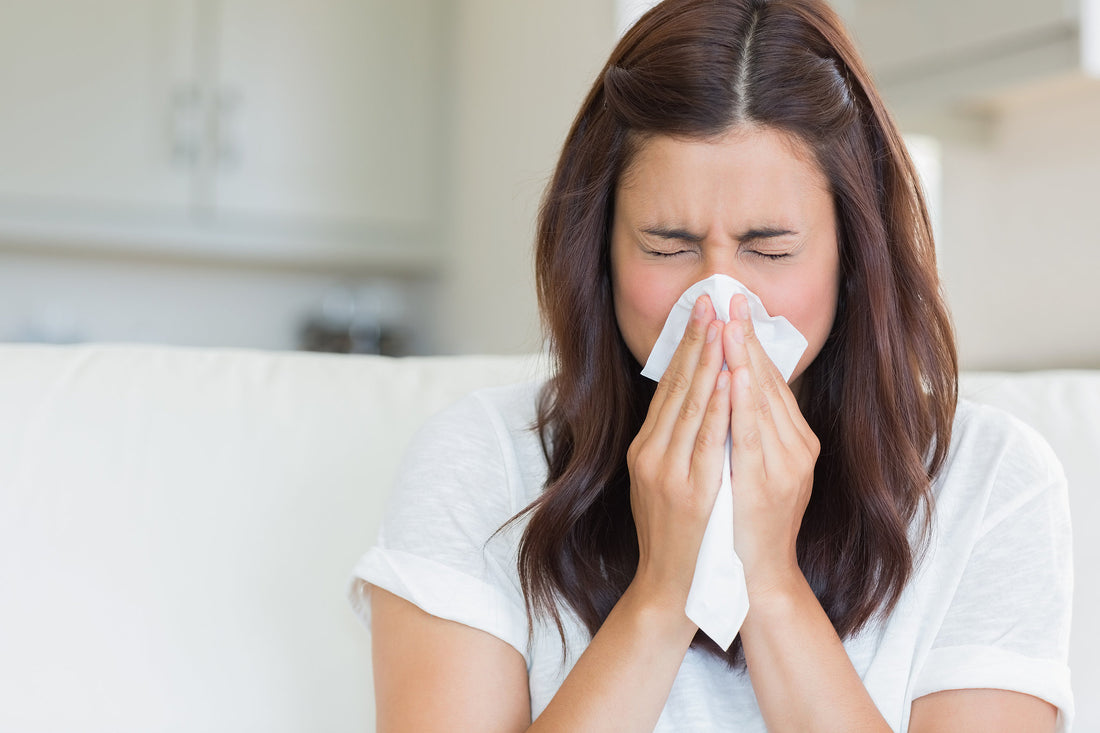
The dreaded cold and flu season: survival tips for CPAP users
wp:paragraph Well, it’s that time of the year again. People all around you have been feeling under the weather and you probably have figured out that cold and flu season is in full swing. If you haven’t come down with something already, chances are, either you or someone you know will get something soon enough. /wp:paragraph wp:paragraph If you use a CPAP machine, then you know all too well how uncomfortable a cold can be when trying to use the machine at night as you normally would. As tempting as it may sound, it is of no benefit to you if you decide to set the machine aside just for a night or two until you can breathe normally again. If having a cold wasn’t bad enough, you will not have the benefit of being able to sleep soundly though the night if you forgo your CPAP therapy. So then you’ll not only be sick, but you will lose sleep as well, which is crucial for fighting off your cold! It may sound like a challenge, but you can fight off this cold AND not lose any sleep from getting frustrated with your CPAP machine. /wp:paragraph wp:paragraph Here are some tips that can help to both alleviate your cold and help you sleep better at night, without having to set the CPAP machine aside for the night. /wp:paragraph wp:list Try using an over the counter saline nasal spray: this will help to add moisture to your sinuses and reduce the swelling to help you breathe a bit easier Add a heated humidifier to your CPAP machine: this works wonders for CPAP users as the heat helps to add moisture to your sinuses. For best results: be sure to position the humidifier lower than the bed, and try to keep the room temperature on the warm side Try sleeping on your side, or prop your head higher so that your nasal passages are elevated Keep your CPAP machine and parts clean: ever wonder why we always talk about the importance of keeping your CPAP machine and parts clean? This is a prime time to ensure that your CPAP is germ free to help you recover faster Try switching to a full face mask as oppose to a nasal one, until your cold is gone Try an auto CPAP machine, as it will adjust the air flow settings to your breathing patterns, which are very different when you are sick. Be sure to seek help from your doctor if your symptoms progress for more than just a few days and you are still having trouble sleeping with the CPAP machine at night /wp:list wp:paragraph /wp:paragraph
Learn more about The dreaded cold and flu season: survival tips for CPAP users