

News
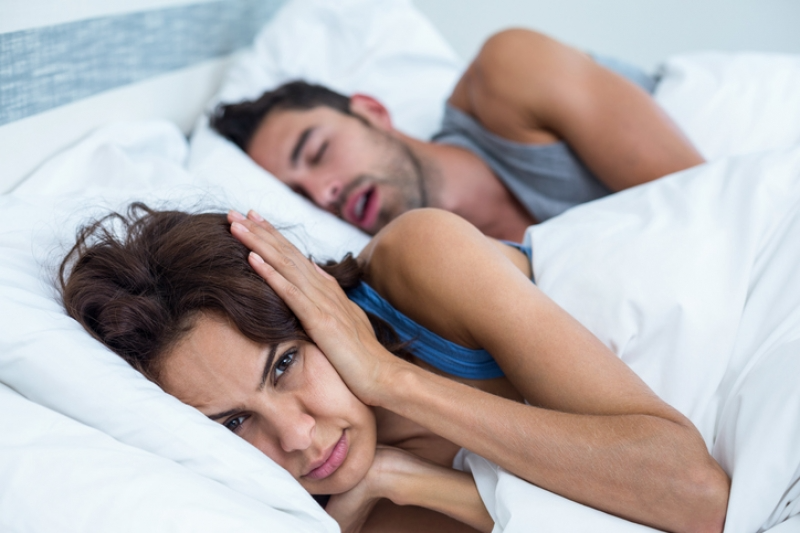

All About Insomnia
wp:paragraph You may have often found yourself lying awake in bed at night, unable to fall and stay asleep, no matter how hard you try. Sometimes this is a rare, one-off occurrence, other times it can last for several days, weeks or even months. /wp:paragraph wp:paragraph This is a common sleep disorder known as insomnia. Simply put, insomnia can make it incredibly difficult for you to fall and stay asleep, or it could also cause you to wake up much earlier than normal, and you cannot fall back asleep. Many people who have insomnia, whether it is for one night or longer, find themselves tired and groggy throughout the daytime with low energy and an inability to concentrate. /wp:paragraph wp:paragraph There are two different types of insomnia you may experience; /wp:paragraph wp:paragraph Short term (acute) Insomnia: This is known to last only a few days or weeks. Short term insomnia is typically the result of ongoing stress or a traumatic life event. Travel can also lead to short term insomnia, especially if you are travelling to a different time zone and you experience jet lag. /wp:paragraph wp:paragraph Long term (chronic) insomnia: This is known to occur more consistently for a month or more and is usually the result of an undiagnosed medical condition. Long term insomnia typically requires medical treatment. /wp:paragraph wp:paragraph If you are experiencing insomnia, there are a few things you can do to help you sleep better: /wp:paragraph wp:list Keep your bedtime consistent each night Avoid playing on your phone or tablet, or watching TV too close to bedtime Get exercise during the daytime to help promote a good night’s sleep Avoid caffeine or alcohol close to bedtime Avoid eating a large meal before bedtime Keep your bedroom cool and comfortable Find ways to make yourself relaxed before bedtime, such as reading or meditating /wp:list wp:paragraph Leaving insomnia untreated can lead to many serious health consequences. If your insomnia persists for a month or more and there is no known cause, then it may be time to speak to your doctor to discuss treatment options. /wp:paragraph
Learn more about All About Insomnia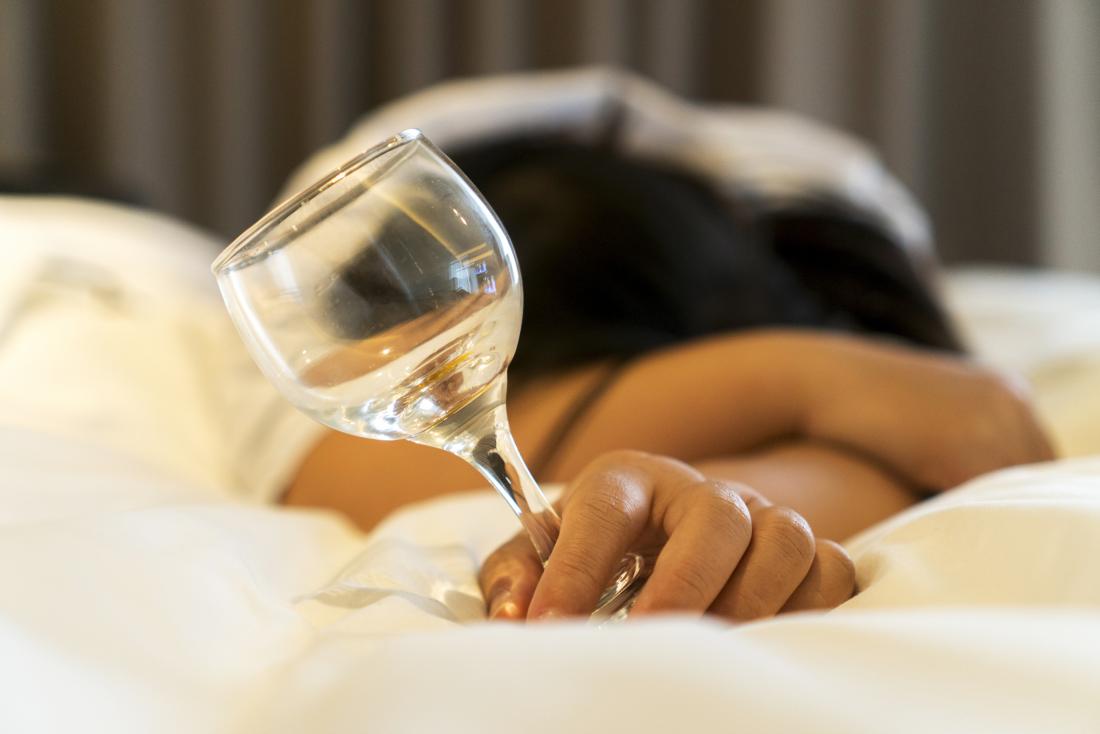
Sleep and Alcohol
wp:paragraph Thinking about having a few drinks this weekend? Before you go too crazy, you should be aware of how alcohol could affect your ability to get a good night’s sleep. /wp:paragraph wp:paragraph While having a few drinks in moderation is usually okay for sleeping, having too much can cause problems when bedtime comes around. And let’s face it, no one enjoys the unpleasant “morning after” effects that alcohol has on your system. While drinking before bedtime can cause you to fall asleep faster, you may not necessarily stay asleep the way you should be. Many people experience insomnia when they drink too much and this can also affect your rapid eye movement (REM), an essential part of the sleep cycle where you are in a deep sleep, and your body has been known to restore itself during this process. The more you drink, the worse the effects can be. /wp:paragraph wp:paragraph A few tips to safely enjoy a few alcoholic beverages without disrupting your sleep: /wp:paragraph wp:list Know your limits and stick to them: drinking alcohol can affect everyone differently depending on your age, gender, and body type. Don’t drink very close to bedtime: having 1-2 drinks earlier in the evening (for example, with dinner) is usually okay, but having too much to drink, especially late at night close to bedtime can really hurt your ability to get a good night’s sleep. If you did indulge a bit too much, drink lots of water before you go to bed: alcohol is known to dehydrate your system, so drinking water can not only help to hydrate you, but it can help you to avoid getting a headache in the morning, a typical after-effect of drinking too much. Do not use alcohol as an aid to fall asleep: speak to your doctor if you are having trouble sleeping at night, they can assist you using a healthier method than alcohol. /wp:list
Learn more about Sleep and Alcohol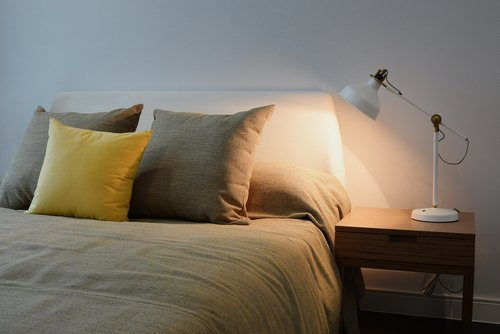
How to Create the Perfect Sleeping Environment
wp:paragraph You may already know the importance of creating good sleeping habits overall, but did you know just how much of an impact your sleeping environment has? /wp:paragraph wp:paragraph Making your bedroom the perfect sleeping environment is essential for a good quality sleep each night, so that you can function well during the daytime. After all, you spend a third of your life sleeping, so skipping out on a quality sleep is not something you want to do! /wp:paragraph wp:paragraph Here are six tips for creating the perfect environment for sleeping /wp:paragraph wp:list {"ordered":true,"type":"1"} Keep the room dark while you sleep: leave the lights off and use blackout curtains. Bonus tip: chose a color for your bedroom walls to help promote a calm environment and avoid anything too flashy. Keep the room temperature a little on the cooler side: having a cool room is best for sleeping, but make sure you are not so cold that you are shivering at night. Keeping your room too warm can be uncomfortable and you may find yourself tossing and turning. Leave electronics out of the bedroom: many people like to fall asleep with the TV on but this is not recommended, keep it in a separate room. You should also try and leave your phone and tablet charging in another room overnight. Be mindful of any noise: background noise can be distracting while you are trying to sleep. If you are a light sleeper and you wake easily, you may want to consider using a white noise machine. Use your bedroom (and especially your bed) for sleeping only: resist the temptation to use your bedroom as an office, lounge area, or social space and keep the clutter in your bedroom to a minimum. This way you can fully relax once it’s bedtime and you won’t feel anxious about other life factors. Make sure your bed is comfortable: invest in a good quality mattress and pillows (depending on which position you sleep in) and don’t overdo it with the covers. /wp:list
Learn more about How to Create the Perfect Sleeping Environment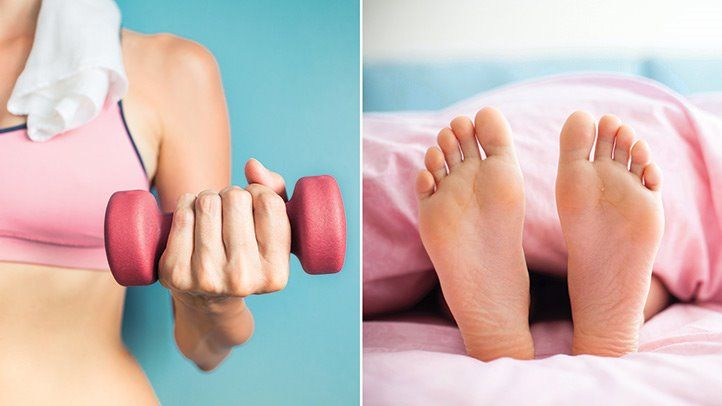
Can Exercise Improve your Sleep Apnea?
wp:paragraph Did you know that exercise has numerous benefits for your overall sleep cycle? This is especially true if you suffer from sleep apnea. /wp:paragraph wp:paragraph Not only can proper exercise help you to fall asleep faster, but it can improve your quality of sleep overall. If you suffer from sleep apnea, many studies have made numerous connections between weight loss (which includes diet and exercise) and an improvement in sleep apnea symptoms. Most severe cases of sleep apnea will still require further medical treatment such as a CPAP machine and exercise is not a cure for sleep apnea, however, a healthy change in lifestyle can certainly lessen the severity of your symptoms. /wp:paragraph wp:paragraph If you find you are sitting more and more these days and want to pick up some healthy exercise habits, here are a few tips to get started: /wp:paragraph wp:list Start small and low impact: all you need to do is get moving! Start with a short walk or maybe do a short exercise routine online, then you can build up the momentum afterwards to do something that challenges you a little more. Stick to something you enjoy: it’s easy to fall off track if you are doing an exercise routine you are not enjoying. Maybe the treadmill is not your thing but if you enjoy another sport or activity that gets you moving then stick to that. Ask for support: having support from a friend, family member or partner can be extremely beneficial in your journey and can motivate you to stick with it. Avoid high intensity activity within 1-2 hours to bedtime: all those endorphins that get released during exercise are great, but not at the end of the day when you are trying to slow down and get into a sleeping routine. Don’t skip out on healthy eating: diet, sleep and exercise are all important parts to maintaining a healthy lifestyle. Stick to your CPAP treatment: while exercise can improve your sleep apnea symptoms, it is not a cure, and not using your CPAP machine can only make your symptoms worse. /wp:list
Learn more about Can Exercise Improve your Sleep Apnea?
Which CPAP Mask is right for me?
wp:paragraph Are you feeling overwhelmed with all of the different types of CPAP masks? You are not alone! If you are just starting out in your CPAP journey, you may have noticed that there are many different types of masks to use with your CPAP machine. The best one for you depends on a number of factors, including your personal preference, your sleeping habits, how severe your sleep apnea may be and what is recommended by your doctor. /wp:paragraph wp:paragraph These are three of the main types of face masks for your CPAP machine, all of which can be found here CPAP Masks - PAPSmart Canada /wp:paragraph wp:image {"id":7504,"sizeSlug":"large","linkDestination":"none"} /wp:image wp:paragraph Full Face Masks /wp:paragraph wp:paragraph The full face mask covers both your nose and your mouth, and has side straps to secure it in place. This can be beneficial if you mainly breathe through your mouth, if you sleep on your back, or if you require a higher pressure setting to treat your sleep apnea. These masks also offer a seal against any leaking that may occur, which can improve your CPAP therapy overall. /wp:paragraph wp:paragraph Nasal Masks /wp:paragraph wp:paragraph Unlike the full face mask, the nasal mask covers only your nose while still supplying a consistent flow of air pressure. This mask option has a lighter fit overall and works for most mild cases of sleep apnea. The nasal mask is most recommended for those who move around a lot in their sleep, or if you mainly breathe through your nose. /wp:paragraph wp:paragraph Nasal Pillow Masks /wp:paragraph wp:paragraph The nasal pillow mask may seem similar to the nasal mask in many ways, however the main difference is that the nasal pillow mask fits at the bottom of your nose, as oppose to fitting over your nose as a whole. If you tend to feel claustrophobic in a full face mask, or if you require a lower pressure setting to treat your sleep apnea, this can be a great option. This mask gives you a full field of vision, especially if you like to read before bed, and also works for those who wear glasses or have a lot of facial hair. /wp:paragraph wp:paragraph /wp:paragraph
Learn more about Which CPAP Mask is right for me?
Using CPAP Machine in the Hot Weather
wp:paragraph Summer may officially be around the corner, but for many places in the world (especially in some parts of Canada right now), the hot and sunny weather had already arrived in full force and many of the days are long and warm. While this may get you excited for all of the good things about summer, you may be dreading the sleepless nights that come with the hot and sticky weather, especially if you suffer from sleep apnea. /wp:paragraph wp:paragraph No one enjoys the uncomfortable feeling of trying to sleep when it’s hot, especially if you wear a CPAP machine at night. While you may be tempted to skip your CPAP therapy just for a night or two, don’t do this! Not only will your sleep apnea symptoms get worse, you will have even more trouble sleeping than you did before, which can make you feel tired and groggy during the day. /wp:paragraph wp:paragraph Six tips for surviving the heat with your CPAP machine: /wp:paragraph wp:list {"ordered":true,"type":"1"} Keep your bedroom cool: use a fan if necessary to properly circulate the air in the room and consider using blackout curtains to trap the cool air in the bedroom. Limit any excessive moisture in the bedroom: warm weather only adds moisture to the air, which can make sleeping very uncomfortable. If your bedroom is humid, consider getting a dehumidifier for the room. If your CPAP machine has a humidifier feature, you may want to turn this down for the warmer months. Clean your CPAP machine regularly: not doing so can lead to mold growth and the oils and sweat from your body can cause the parts of the mask to break down quicker than normal. Any padding with your mask may also need to be replaced a little more frequently. Check out CPAP Supplies and Accessories - PAPSmart Canada for replacement of your CPAP parts. Keep your sleep schedule consistent every night and don’t deviate from your sleep routine! Now is more important than ever to practice proper sleep hygiene. Stick to healthy diet and exercise habits during the daytime: also be sure to practice safe sun habits such as wearing sunscreen. Speak to your doctor for tips if you are still having trouble sleeping in the hot weather at night. /wp:list
Learn more about Using CPAP Machine in the Hot Weather
The Connection between Sleep Apnea and Mental Health
wp:paragraph Sleep plays an incredibly important role in both your mental and physical health overall. It is generally recommended by experts that you get 8-10 hours of sleep per night but if you are suffering from an untreated mental health disorder, you may find yourself experiencing numerous bouts of insomnia and get considerably less sleep at night. /wp:paragraph wp:paragraph It can be even worse if you suffer from sleep apnea. Many studies have shown that there is a very strong connection between sleep apnea and your mental health. /wp:paragraph wp:paragraph How sleep apnea affects your mental health /wp:paragraph wp:paragraph Those who suffer from Obstructive Sleep Apnea (OSA) have been known to experience insomnia which leads to mood swings, fatigue, poor concentration and irritability throughout the day. If you have multiple episodes of OSA that are left untreated, this can deprive your brain of oxygen, which can lead to many serious mental health conditions such as depression, anxiety, psychological distress and suicidal thoughts. /wp:paragraph wp:paragraph What is even more alarming is that the symptoms for sleep apnea and many mental illnesses are very much the same. This is why it is extremely important to seek help with any symptoms you may have for mental illnesses. Leaving either sleep apnea or any mental illnesses untreated can lead to some serious effects on your health in the long term. /wp:paragraph wp:paragraph How to improve your mental health if you have sleep apnea /wp:paragraph wp:list Avoid using technology before bedtime. Try not to nap during the day (if you absolutely must nap, keep it short so you can still stick to your proper bedtime routine. Set a timer if you need to) Avoid caffeine or other stimulants close to bedtime (including alcohol). Maintain the same bedtime routine every night. If you use a CPAP machine at night, don’t skip your treatment, even for one night! /wp:list wp:paragraph If you are experiencing any mental health distress, please do not hesitate to speak to your doctor to get the proper help. /wp:paragraph
Learn more about The Connection between Sleep Apnea and Mental Health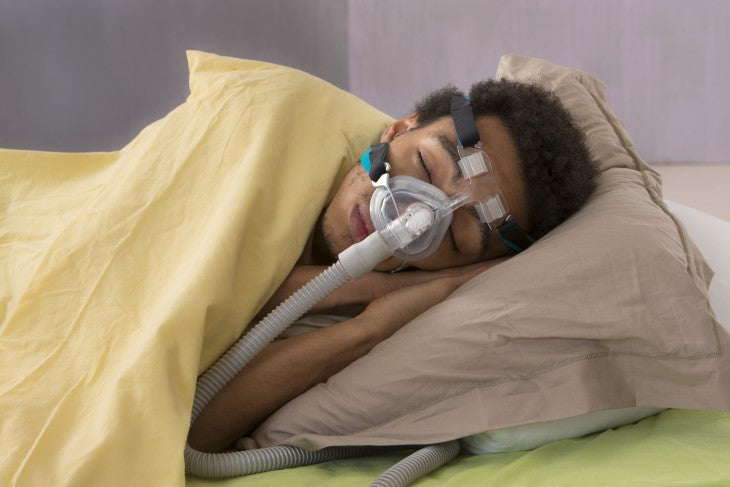
Four Myths about Sleep Apnea
wp:paragraph Sleep apnea, as you may know, is a condition that causes a pause in your breathing for approximately 10-30 seconds while you sleep and can happen up to several times in a night. There are many myths and misinformation around sleep apnea given how complex the condition can be. Here are four myths you may or may not have heard about sleep apnea. /wp:paragraph wp:paragraph 1. Only older adults get sleep apnea. /wp:paragraph wp:paragraph This is not true. While most cases of sleep apnea occur in middle-aged adults, you can develop sleep apnea at any age. It can even occur in children! That said, the risk of developing sleep apnea does increase as you get older, however the condition is not at all based solely on age. /wp:paragraph wp:paragraph 2. Sleep apnea is the same thing as snoring. /wp:paragraph wp:paragraph Not necessarily. Snoring is very common in adults, however it is actually different from sleep apnea. Snoring is certainly a common symptom that leads to a sleep apnea diagnosis, however you can still snore at night and not have sleep apnea. /wp:paragraph wp:paragraph 3. Only people who are overweight can develop sleep apnea /wp:paragraph wp:paragraph While the risk of developing sleep apnea does increase if you are overweight, this is not necessarily true. Loosing weight and adapting a healthier lifestyle can certainly lessen the severity of your sleep apnea symptoms, but this is not a cure. It is important to speak with your doctor if you think you have sleep apnea and they can conduct the proper testing and discuss treatment options to help you sleep better. /wp:paragraph wp:paragraph 4. Sleep apnea will go away on it’s own /wp:paragraph wp:paragraph False! Sleep apnea is a serious condition that needs medical attention. If left untreated, this can cause a number of health issues including stroke, diabetes, heart disease and mental illnesses such as depression. Depending on the severity of your sleep apnea, your doctor may recommend some lifestyle changes if you have a mild case. More severe cases of sleep apnea may require you to wear a CPAP mask at night in order to treat it (more information about CPAP masks and accessories can be found at papsmart.com). /wp:paragraph
Learn more about Four Myths about Sleep Apnea
Is Remote Working Affecting Your Sleep?
wp:paragraph Once the Covid-19 pandemic hit back in early 2020, many office employees found themselves all of a sudden having to work from home. While the remote working life certainly has its convenience and comforts, let’s not forget the many challenges it presents, such as navigating Zoom meetings and other new technologies as well as a bit of a setback in healthy habits including diet, exercise and yes, sleep. /wp:paragraph wp:paragraph Why remote workers are known to struggle with sleep /wp:paragraph wp:paragraph According to a recent study done by the CDC, many adults who work remotely as a result of the pandemic have not been getting the recommended amount of sleep at night, and a few have reported experiencing insomnia as well. This can cause you to feel tired during the daytime when you need to be alert and productive. Having both your personal and professional life co-exist in the same space can be tricky, and you may find yourself having work on your mind as you go to bed a little more than usual. /wp:paragraph wp:paragraph Many workers have reported working much later hours at home than they typically would at the office, and proper bedtime habits have taken a bit of a backseat. In addition, too much time on your phone or computer at night can interfere with your REM sleep cycle, causing insomnia and other sleep ailments. You may also find yourself making more frequent trips to the kitchen throughout the day to grab a snack or a cup of coffee but overdoing this can also affect how you sleep at night. /wp:paragraph wp:paragraph A few tips for getting the best sleep while working from home /wp:paragraph wp:list Try not to use your bedroom as an office. Set a designated workspace in your home that is separate from where you sleep. More importantly, don’t work from your bed! Try to stick to as close to a normal workday routine as you can, even at home: shower and get dressed in the morning, eat a proper breakfast, take a proper break for lunch and stop working for the day once the working hours have ended. Resist the urge to check work emails and complete work projects in the evenings, or anytime outside of the working hours. Go to bed at the same time every night, and get at least 8 hours of sleep per night, just like you would if you had to commute to an office the following day. Be sure to practice proper sleep hygiene too, including limiting technology devices before bed and sticking to a proper bedtime routine. /wp:list
Learn more about Is Remote Working Affecting Your Sleep?