

News


Get your CPAP Ready for Summer
Hot summer weather can negatively impact sleep apnea and CPAP therapy effectiveness, making seasonal adjustments essential for quality rest. This guide covers four crucial summer preparation steps: lowering humidifier settings to prevent condensation buildup, maintaining cool bedroom temperatures with air conditioning, inspecting and replacing worn CPAP parts before peak season, and keeping windows closed to avoid pollen and allergens that can worsen sleep apnea symptoms.
Learn more about Get your CPAP Ready for Summer
Sleep Deprivation is Affecting your Love Life
Poor sleep doesn't just affect your health, it can seriously damage your relationships too. Sleep deprivation makes you less attractive to potential partners, reduces your ability to navigate dating successfully, increases irritability and conflicts with your spouse, decreases sexual desire, and disrupts your partner's sleep through restless movements. Understanding these connection points between sleep quality and relationship health can motivate you to prioritize better rest for both you and your loved ones.
Learn more about Sleep Deprivation is Affecting your Love Life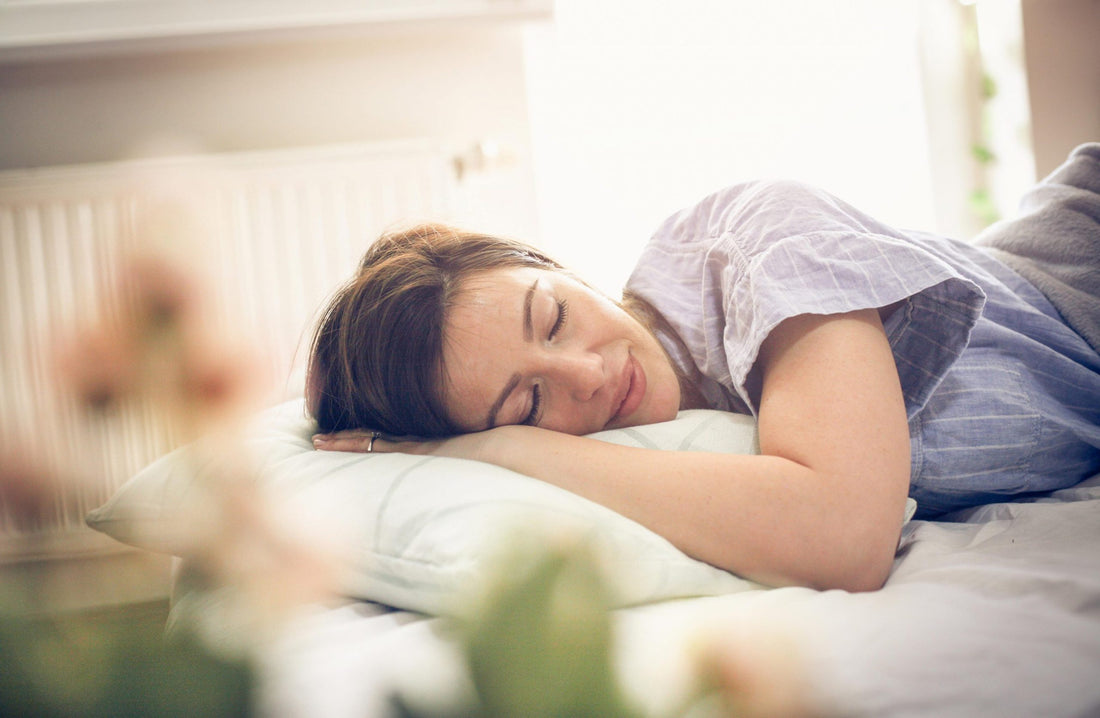
Sleep Hygiene Tips for Warm Weather
wp:paragraph The warmer weather has officially arrived in many places! As much as you may be enjoying the sunshine, you may have noticed that your sleep is affected by the warm temperatures. It’s important to know that certain sleep hygiene practices for cold weather don’t always apply when it’s warm out. /wp:paragraph wp:paragraph Here are a few sleep hygiene tips for keeping cool in the warmer weather; /wp:paragraph wp:paragraph Keep your room cool: Trying to get a good sleep with the temperature being too warm can be extremely uncomfortable and can cause you to overheat. Make sure you set the temperature of your room accordingly, use fans to help cool the room down and keep the window closed. /wp:paragraph wp:paragraph Re-evaluate your bedding: The hot weather is not the time to be using flannel sheets and heavy duvet covers. Instead, switch out your bedding to sheets made of a lighter cotton that is more breathable, and switch out that heavy comforter for a duvet cover or quilt that is lighter and designed better for warmer nights. /wp:paragraph wp:paragraph Don’t over-dress: Much like your bedding, flannel and other pajamas made of heavier material are not a good idea for the warmer nights. Depending on your personal preference, dressing in lighter materials will help to keep you cool and not overheat while sleeping. /wp:paragraph wp:paragraph Keep the room dark: Not only will a dark room help you sleep better, but this will help to keep the room cool as well. Blackout curtains can help with this. Keeping your bedroom dark throughout the daytime will help your bedroom to stay cool at night as well. /wp:paragraph wp:paragraph Keep your sleep schedule consistent: The beautiful weather can sometimes lead to a disruption in your bedtime thanks to changes in your schedule or a disruption in your routine but try as much as you can to go to bed and wake up as close to the same time each day. /wp:paragraph wp:paragraph Avoid caffeine and alcohol before bedtime: Both of these are known to disrupt your REM sleep cycle, which is essential for a good night’s sleep. Drinking a small glass of cool water before bed can be helpful, and make sure you stay hydrated throughout the day. /wp:paragraph wp:paragraph Contac us for more information. /wp:paragraph
Learn more about Sleep Hygiene Tips for Warm Weather
How Aging Changes Your Sleep Patterns
wp:paragraph If you are over age 65 and noticing that your sleep is not what it used to be when you were younger, you are not alone. /wp:paragraph wp:paragraph Many older adults tend to notice changes in their sleep as they age, and at least half experience at least one sleep issue, whether it’s insomnia, sleep apnea or something else. Older adults may also notice they take more frequent naps and spend less time in deep sleep. Rest assured, this is completely normal. /wp:paragraph wp:paragraph Good quality sleep for older adults is essential to your overall well-being, especially as newer health issue come to light with age. /wp:paragraph wp:paragraph Here are four factors that may contribute to changes in sleep patterns amongst older adults: /wp:paragraph wp:paragraph Poor sleep habits: This is very common with older adults, whether you are newly retired and figuring out your new normal, or just enjoying more downtime than before. Make sure you go to bed and wake up at the same time each day, and that you practice good sleep hygiene. /wp:paragraph wp:paragraph Medications: This is a common problem for many older adults that is easily treatable. If you take medication for other health issues and you are noticing it’s affecting your sleep, make sure you speak to your doctor for advice. /wp:paragraph wp:paragraph Stress: Aging tends to bring on many life changes, between loosing a loved one, moving, or dealing with an unexpected health condition, all of which can negatively affect your sleep. Make sure you find ways to properly cope with stress, and make sure you seek external help if necessary. /wp:paragraph wp:paragraph Lack of physical activity: Staying active into your golden years is important, and sleep may not come easily if you are not getting in enough daily movement. While you may not be able to keep up with the physical activity you did when you were younger, make sure you find activities that you enjoy and will help you to get in your daily movement. /wp:paragraph
Learn more about How Aging Changes Your Sleep Patterns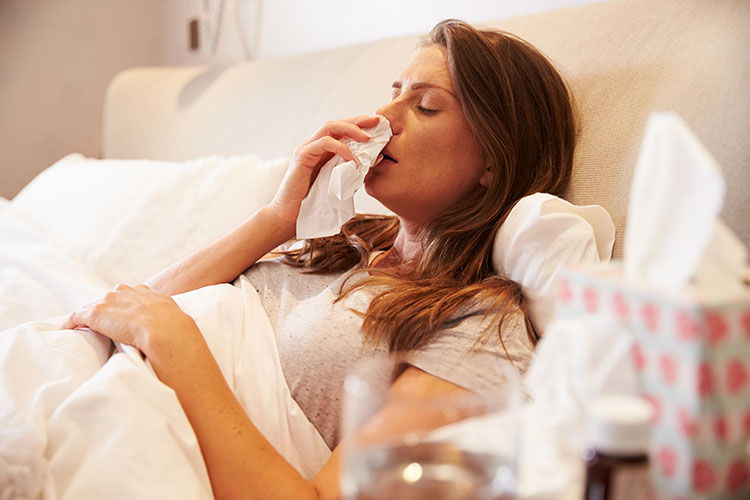
Sleep Apnea and Seasonal Allergies
Are you suffering from seasonal allergies? You are not alone. Many people have to deal with the unpleasantness of allergy symptoms in the early spring, which can interfere with your ability to get a good night’s sleep. Allergies can be even worse for people who suffer from sleep apnea, since your airway is already compromised during sleep. A lot of allergy symptoms tend to worsen and cause nasal congestion, which can dry your mouth out or block your airway. Not a good thing with sleep apnea, especially if you use a CPAP machine to help you sleep at night. Luckily there are a few things you can do to help give some relief to your symptoms so you can sleep better at night. Here are a few tips: Take advantage of humidification: As great as the CPAP is for helping you sleep, it can also dry out your nasal passages, which can be extremely uncomfortable and worsen your allergy symptoms. Using a humidifier with your CPAP can help to keep your airway moist enough to promote proper breathing during sleep. Keep your CPAP mask in great condition: Make sure you are cleaning your CPAP mask and other parts on a regular basis. Sleeping in a dirty mask will only spread bacteria and germs through your airway as you sleep and make your allergies worse. Also, if your CPAP has a filter, make sure that it is changed on a regular basis as well. Take some medications to help relieve your symptoms: Taking an over-the-counter antihistamine before bed can help to alleviate allergy symptoms and help you sleep better at night. But if you are using CPAP therapy to sleep, make sure you clear this with your doctor first. Be mindful of your sleeping environment: If the pollen outside is particularly strong and bothering your allergies, don’t sleep with your windows open as this will only make your symptoms worse. Keep your windows closed at night and keep your bedding fresh and clean will help as well.
Learn more about Sleep Apnea and Seasonal Allergies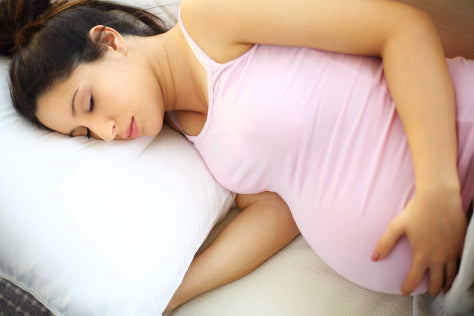
Sleep and Pregnancy
wp:paragraph So you are expecting a little one! This can be both an exciting and overwhelming time with many changes happening to your body. One thing that many pregnant women notice is the numerous changes in sleep habits. Considering your body is growing a baby, this is to be expected. Sleep is most definitely not something you should sacrifice at this time as it is essential both for you and your growing baby! /wp:paragraph wp:paragraph Here are a few ways in which your sleep changes when you are pregnant; /wp:paragraph wp:paragraph Increased daytime fatigue: This is one of the most common symptoms! Many pregnant women find themselves exhausted and overly tired thanks to changing hormones. This can improve once you hit the second trimester but sticking to a consistent sleep cycle will help with this. /wp:paragraph wp:paragraph Insomnia: There are many reasons for insomnia in pregnant women, but anxiety is one of the most common thanks to all the unknowns between the labour and delivery as well as the anxiety of impending motherhood. Finding ways to deal with your anxiety (such as journaling or meditation) is important in helping with this. /wp:paragraph wp:paragraph Heartburn: Again, very common in pregnant women but this can keep you up at night. To help with this, avoid eating spicy foods, especially late at night. /wp:paragraph wp:paragraph Frequent bathroom trips: With a baby pushing down on your bladder, frequent bathroom trips in the night can often be unavoidable. Keeping hydrated is very important but try not to drink a ton of water before bedtime to help minimize this. /wp:paragraph wp:paragraph Difficulty getting comfortable: As your body grows and develops, you may find that the sleep positions you are used to are no longer working, and you may find yourself tossing and turning a lot. Sleeping on your side (especially on the left) is most recommended for pregnant women and using pillows to support your stomach and/or between your knees should help you get a little more comfortable. /wp:paragraph wp:paragraph Nausea: Although nausea occurs more often in the morning, it can still occasionally strike at night. Try keeping a few plain crackers on hand to help settle your stomach if need be. /wp:paragraph wp:paragraph Be sure to speak to your doctor if you are having difficulty getting a good night’s sleep. And if you need to take a short daytime nap or sleep a little bit longer, make sure you listen to your body! /wp:paragraph wp:paragraph Contact us for more information. /wp:paragraph
Learn more about Sleep and Pregnancy
How sugar affects your sleep
wp:paragraph If you just overindulged in some of the delicious Easter chocolate and desserts, take note! We all know how sugar is bad for you, but did you know that too much sugar can have a negative effect on your sleep? /wp:paragraph wp:paragraph Despite this, many of us simply cannot live without some form of sugar, whether you have it in your coffee, a mid-afternoon pick me up or if you like to have something sweet before bedtime. Ever had the “sugar crash” where you feel sleepy after eating too many sweets? This is not so good for sleeping as this can not only cause insomnia but poor sleep quality in general. Sugar is known to give you a temporary boost of energy, followed by feelings of sleepiness. /wp:paragraph wp:paragraph Here are three ways to prevent sugar from interfering with your sleep: /wp:paragraph wp:paragraph Consuming too many sweets before bed? Not a good idea: Although sugar may make you feel sleepy, it should NOT be used as a sleep aid as this will mess with your sleep cycle and cause you to feel groggy the next day. If you need to have a snack before bed, consider a piece of fruit to combat your sweets cravings. Warm milk or herbal tea before bed can also be a good idea. /wp:paragraph wp:paragraph Don’t forget to maintain a healthy diet: Eating a balanced diet, which includes all the necessary vitamins and nutrients, will help you to maintain a regular sleep cycle, in addition to staying hydrated, getting in some physical activity, and starting your day with a proper nutritious breakfast. /wp:paragraph wp:paragraph Enjoy your favorite sweets in moderation: Let’s face it, cutting out sweets is harder than it looks, and simply unrealistic for many people. There is nothing wrong with enjoying your favorite dessert every now and then, just be smart about it! Stick to smaller portions of your favorites and consider some sugar-free alternatives. /wp:paragraph wp:paragraph Contact us for more information. /wp:paragraph
Learn more about How sugar affects your sleep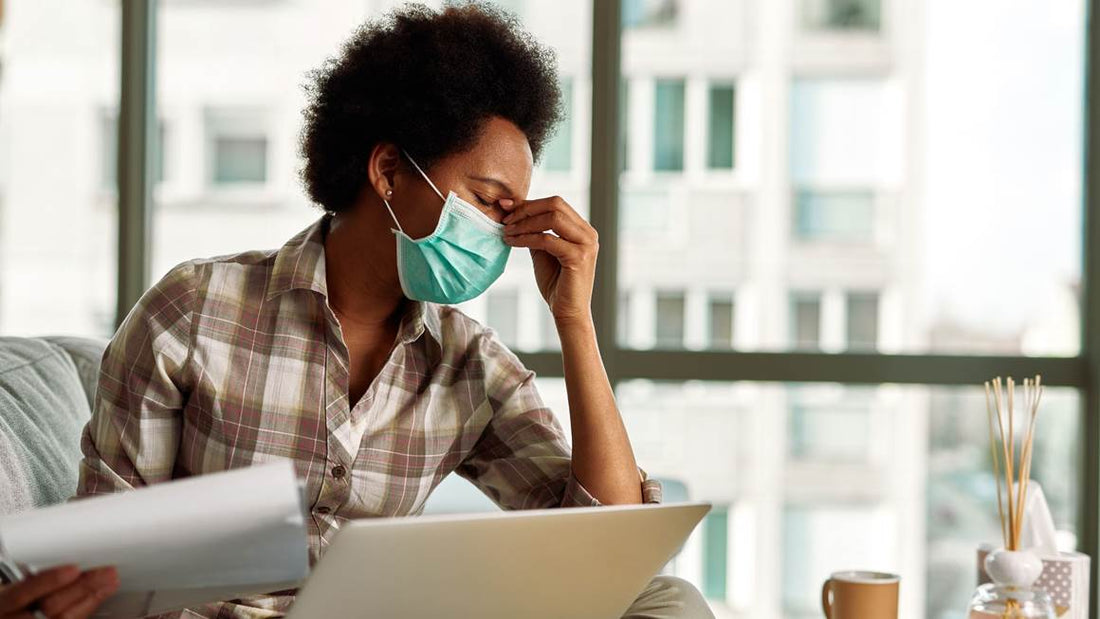
What is Post Covid-19 Fatigue?
wp:paragraph If you have ever tested positive for Covid-19 and you have found yourself feeling a lot more tired than normal afterwards, you are not alone. /wp:paragraph wp:paragraph One of the many side effects of a Covid-19 infection, that has been known to affect many people is extreme fatigue. And unlike normal fatigue or daytime tiredness, this does not necessarily get better with lots of rest and can inhibit your day-to-day activities. As frustrating as this may seem, this is part of the body’s immune response to the virus for many people. Rest assured, it will get better, but it will take some time and it won’t happen overnight. /wp:paragraph wp:paragraph Here are a few tips to help you deal with the effects of post Covid-19 fatigue: /wp:paragraph wp:paragraph Pace yourself: It will take some time for your energy levels to return to what they were before you were sick. Listen to your body and adjust your return to normal activities based on your energy level and take a break if you need to. Try to prioritize things based on what you can and cannot do. /wp:paragraph wp:paragraph Gradually return to physical activity: You may not necessarily be able to run a marathon or participate in sports if you are dealing with Covid fatigue. If you live a physically active lifestyle, you will need to take your time to ease back into exercise, doing so too quickly could make it worse and prolong your recovery. Start with shorter walks and work up from there. /wp:paragraph wp:paragraph Get lots of sleep: Although you may already be sleeping more than you normally do, this will help your body to conserve energy and will enable you to take it slow with your recovery. Sticking to a solid and consistent bedtime routine will help with this. /wp:paragraph wp:paragraph Maintain a healthy diet: Although this may be difficult if you are dealing with a loss of taste and smell, nourishing your body with the proper vitamins and nutrients will be important in the healing process. Make sure you fuel your body with lots of healthy foods to aid with your recovery. /wp:paragraph wp:paragraph Contact us for more information. /wp:paragraph
Learn more about What is Post Covid-19 Fatigue?
Healthy Habits to Help With Sleep Apnea
wp:paragraph Sleep apnea can affect anyone regardless of age, gender, or body type, however, there are certain lifestyle factors that can increase your risk and make the symptoms worse. /wp:paragraph wp:paragraph While there is no cure for sleep apnea, and a CPAP machine may be the best choice for many people, there are some lifestyle changes you can make to help better manage your condition, or to reduce your risk of developing sleep apnea. Here are a just a few of those: /wp:paragraph wp:paragraph Maintain a healthy weight: Sleep apnea tends to be more common in individuals who are obese as the extra fat tissue can block your airway and cause a lot of the apnea episodes. For this reason, maintaining a healthy diet and getting regular exercise is recommended to help alleviate the effect of sleep apnea symptoms. While it may not cure your sleep apnea, it can certainly provide some relief and make your condition much more manageable. /wp:paragraph wp:paragraph Quit smoking: If you are a regular cigarette smoker, you may want to think about quitting. Tobacco has been known to cause inflammation and swelling in your airway, which leads to increased snoring and apnea episodes. Be sure to speak to your doctor to get help for this. /wp:paragraph wp:paragraph Limit alcohol: Adults who drink excessively tend to experience snoring and a disrupted sleep cycle on a regular basis. Alcohol relaxes the throat muscles that control your breathing and can also interfere with your REM sleep cycle. While moderately drinking is okay, stop drinking at least 3-4 hours before bedtime and don’t use alcohol as a sleep aid. /wp:paragraph wp:paragraph Try a different sleep position: Sleeping on your side is generally better for keeping your airway open as you sleep. If you are a back or stomach sleeper than try using a body pillow to keep you on your side. Make sure your pillow and mattress are both in good condition as well. /wp:paragraph wp:paragraph Practice good sleep habits: Proper sleep hygiene may not cure your sleep apnea but can still help you to get a good night’s sleep! Make sure you are getting the same amount of sleep each night, try to keep your sleep/wake times consistent, limit daytime naps and avoid the use of technology devices before bedtime. /wp:paragraph
Learn more about Healthy Habits to Help With Sleep Apnea