

News
The Connection Between Sleep and your Mood
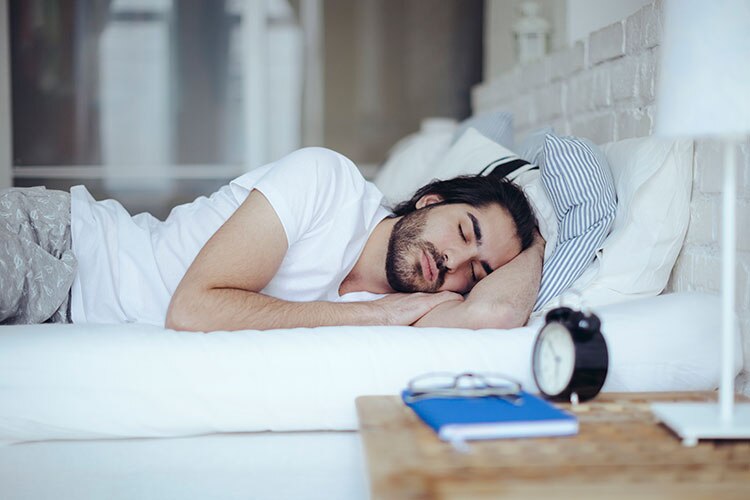
wp:paragraph Sleep has a lot to do with your overall mood. You may already notice that nights with poor sleep can lead to you feeling irritable or stressed the following day, and nights where you sleep well lead to you feeling relaxed and happy. /wp:paragraph wp:paragraph There have been many studies done over the years linking the lack of sleep to your overall mood. Here are a few factors to consider as to how poor sleep may be affecting your mood. /wp:paragraph wp:paragraph Stress /wp:paragraph wp:paragraph Stress happens to all of us at some point, and that tends to be one of the top causes of insomnia. Stress can also cause a lack of consistency with your sleeping routine, leaving you feeling moody the following day. Finding ways to manage day-to-day stress is important. Make sure you are also practicing good sleep hygiene habits and avoiding the use of technological devices before bedtime. /wp:paragraph wp:paragraph Not getting enough sleep /wp:paragraph wp:paragraph The average adult requires around 8 hours of sleep each night, though some may perform better with closer to 9 or 10 hours. Lack of sleep tends to be a huge influence on your mood, which is why it is so important to make sure you are getting enough sleep. Make sure you keep a consistent sleeping routine that includes going to bed at the same time each night and waking up at the same time each morning. /wp:paragraph wp:paragraph Chronic Insomnia /wp:paragraph wp:paragraph Many adults suffer from chronic insomnia, which is where you have trouble falling and staying asleep at night and you may find yourself lying awake in bed for as much as several hours. There are many reasons for this; while stress is often a factor, there can be times when there is a bigger issue at hand that may require medical treatment, including night terrors, sleepwalking and untreated sleep apnea. /wp:paragraph wp:paragraph When to seek help /wp:paragraph wp:paragraph Sleep is vital to your overall mood and happiness. One night of sleep that is “off” is not generally a problem, as long as you get back on track the next day. If you have tried everything and still cannot sleep well, then it may be time to seek medical advice, especially if this is affecting your mood and/or performance during the daytime. This way you can work with your doctor to find a solution to help you sleep better. /wp:paragraph
Learn more about The Connection Between Sleep and your Mood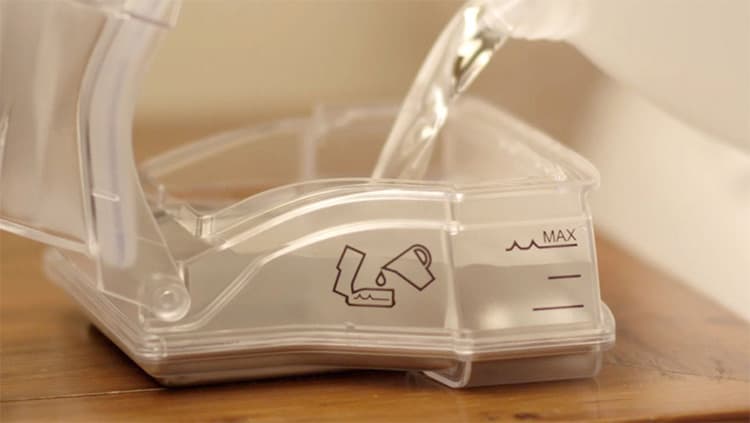
CPAP Humidification in the Cold Months
wp:paragraph If you use a CPAP machine and you are finding yourself waking up feeling a little dry and stuffed up these days, then you are not alone. This is very common amongst CPAP users, especially in the cooler months. /wp:paragraph wp:paragraph But fear not, there are ways to fix this. Did you know that you can get a humidifier specifically for your CPAP machine? /wp:paragraph wp:paragraph How CPAP humidification works /wp:paragraph wp:paragraph The pressurized air passed throughout your CPAP device without humidification tends to be very dry and can cause your nasal passages to dry out. Especially in the cooler months, where the air is already dry, this may cause many symptoms amongst CPAP users, including dry or runny nose, chapped lips, nose bleeds, and mild sinus-type headaches. /wp:paragraph wp:paragraph Typically your nose warms up the air you breathe in general, but this is not the case when you are using a CPAP machine, because the pressurized air is passing through your nasal passages so quickly, your nose doesn’t have time to warm the air which can cause these symptoms. /wp:paragraph wp:paragraph The CPAP humidifier is an external chamber attached to the CPAP machine that gets filled up with water. While you are using the CPAP machine, the pressurized air is passed through the humidification chamber and routed through the tubing to your mask. Some newer CPAP models already come with a humidifier attached, but other times this is something you will need to purchase separately. /wp:paragraph wp:paragraph The benefits of CPAP humidification /wp:paragraph wp:paragraph There is no question that these symptoms from lack of humidification can be very uncomfortable. With the humidified air flowing through the CPAP machine, and through your nasal passages, this will prevent the dry symptoms that you may be experiencing, and provide you with a much more pleasant experience using the CPAP device. /wp:paragraph wp:paragraph Distilled water is generally recommended to use with your humidifier in order to prolong its life span. Keeping the humidifier and the tubing clean on a regular basis is also important. /wp:paragraph wp:paragraph Be sure to check out papsmart.com for CPAP humidifier options. /wp:paragraph
Learn more about CPAP Humidification in the Cold Months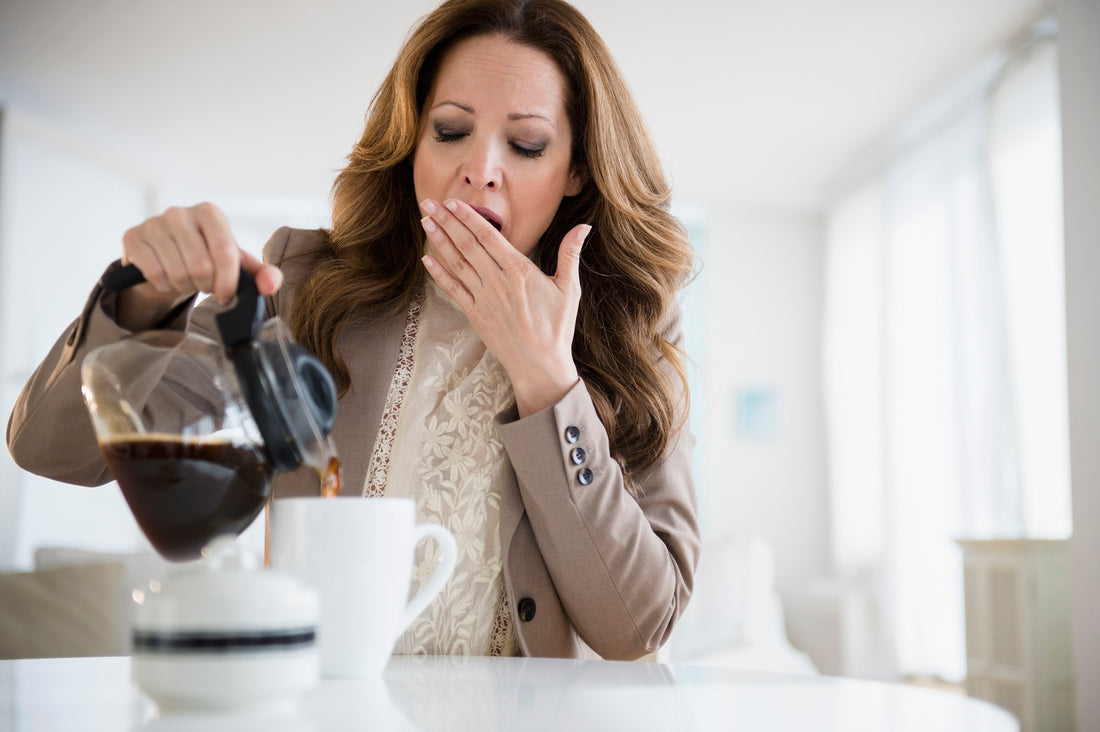
The Connection Between Sleep and Caffeine
wp:paragraph Caffeine is not just part of your morning coffee. While a cup of joe in the morning is a part of the morning routine for many people, there is so much more to caffeine that you may not know, and believe it or not, there are many ways in that it can affect your sleep cycle. /wp:paragraph wp:paragraph The effects of caffeine on the body /wp:paragraph wp:paragraph Caffeine is a natural stimulant that is used in many food and beverages, including coffee, tea, energy drinks, sodas, and the occasional chocolate bar and nuts, though the amount of caffeine in the latter two can be extremely small and cause little to no effects. Depending on how much caffeine is in the product you are consuming, it can cause you to feel awake and alert, with the maximum effects occurring around 30-60 minutes after consumption. After that, caffeine is absorbed by your body and can stick around for 4-6 hours. /wp:paragraph wp:paragraph Most people like to have a caffeinated beverage to stay awake and alert, especially in the mornings. There is nothing wrong with that at all as long as you don’t overdo it. Too much caffeine can actually cause you to feel sleepy and have the opposite effect. And don’t forget that everyone’s limit for caffeine is different depending on many factors such as age, body weight, medical history, and personal tolerance. /wp:paragraph wp:paragraph How your sleep cycle can be affected by caffeine /wp:paragraph wp:paragraph Caffeine has been known to interfere with your circadian rhythm, which is what regulates your body’s sleep cycle. Caffeine has been known to delay the onset of sleep if you consume too much too close to bedtime, as the effects can linger in your body for up to 6 hours after consumption. If you have ever experienced insomnia from having too much coffee too close to bedtime, then you will also know that this can cause you to feel overtired and sluggish the following day. /wp:paragraph wp:paragraph For this reason, many experts don’t recommend that you consume any caffeinated beverages for several hours before bedtime. If you want to consume a beverage before bedtime, try having herbal tea or a small glass of water instead. /wp:paragraph
Learn more about The Connection Between Sleep and Caffeine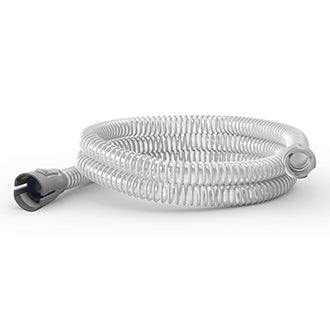
The Benefits of Heated CPAP Tubing
wp:paragraph Now that the nights are getting colder, the air outside is also getting dry. If you regularly use a CPAP machine to help treat your sleep apnea, then you will know that dry air can be your worst enemy. If you are waking up with a sore throat or a dry nose then you are not alone as this is very common amongst CPAP users. It may be time to think about adding heated tubing into your CPAP routine. /wp:paragraph wp:paragraph While it may sound like an added extra, heated tubing can have numerous benefits for CPAP users and can provide a more pleasant user experience with your CPAP machine. /wp:paragraph wp:paragraph Humidification /wp:paragraph wp:paragraph Sure you may already have a humidifier for your CPAP machine, but keep in mind that the humidified air still has to travel approximately 6-10 feet to the mask, depending on the length of the tubing you use. Heated tubes keep the pressurized air warm, which helps to maintain the humidity. This can help to prevent some of the unpleasant effects of dry air you may experience in the mornings, such as a sore throat and dry nose. /wp:paragraph wp:paragraph Eliminating condensation /wp:paragraph wp:paragraph Heated tubing also helps to prevent “rainout,” which is condensation build-up inside of the tube and around it. If too much condensation builds up inside the tube with nowhere else to go, it can leak into your mask or onto the pillow, which can be very unpleasant and inconvenient. /wp:paragraph wp:paragraph While heated tubing can provide added peace of mind come bedtime, it is important to remember to keep the tube and all of the other parts clean on a regular basis. This will help to extend the life span of the tube and keep it in perfect working condition. Be sure to check out papsmart.com to see what heated tubing options are offered. /wp:paragraph
Learn more about The Benefits of Heated CPAP Tubing
Don’t Let your Sleep Suffer from Daylight Savings
wp:paragraph In just a few days, the clocks will all fall back an hour thanks to the daylight savings time change. So while you actually gain an extra hour of sleep, this tends to wreak havoc on many people’s sleep schedules. /wp:paragraph wp:paragraph Many people have a hard time transitioning their sleep habits to the new time, and insomnia is very common with a time change. But there are a few things you can do to prepare yourself for this time change and adjust your sleeping schedule flawlessly. /wp:paragraph wp:paragraph Transition slowly /wp:paragraph wp:paragraph Sure, that extra hour may sound beneficial, but not so much when you find yourself waking up an hour earlier than normal. A few days before the time change, it may be helpful to push your bedtime ahead by increments of just 10-15 minutes each day to make the transition smoother. If necessary, you may also find that a short nap during the day may be beneficial, just to get your sleep schedule back on track. /wp:paragraph wp:paragraph Don’t deviate from your sleep routine /wp:paragraph wp:paragraph Even in a time change, sticking to the same sleep routine and practicing good sleep hygiene is important to help you adjust when the clocks go back, and prepare your body for a good night’s sleep. Avoid caffeinated beverages and large meals close to bedtime and limit the use of electronics. Keep your bedroom dark and slightly cool and get rid of anything distracting you from sleeping. /wp:paragraph wp:paragraph Get outside! /wp:paragraph wp:paragraph Getting in some sunshine will help your biological clock to better adjust to the time change, not to mention the huge benefits that regular exercise has on your sleep cycle. Although the weather is getting cooler, try and get outside for a 20-30 minute walk per day. If that can’t be done, try and get some sunlight into your home by opening the blinds in the morning. /wp:paragraph
Learn more about Don’t Let your Sleep Suffer from Daylight Savings
How Sleep Apnea Affects Women
wp:paragraph You probably know by now that Obstructive Sleep Apnea (OSA) mostly affects older adults, and/or individuals with pre-existing health issues. While over half of the sleep apnea diagnoses each year are in men, let’s not forget that OSA affects a lot of women too, and unfortunately, a lot of OSA cases in women are left undiagnosed. This is because some of the common sleep apnea symptoms are slightly different in women than they are in men and can easily go unnoticed. /wp:paragraph wp:paragraph How the symptoms are different /wp:paragraph wp:paragraph Research has shown that men’s OSA symptoms are different and more prevalent thanks to the structure of their neck muscles, which are longer and can collapse more easily, leading to loud snoring and more visible apnea episodes. Women, for the most part, tend to display OSA symptoms much differently than men. They don’t snore as much and the apnea episodes are usually much shorter and not as frequent. Instead, women with OSA typically show symptoms such as fatigue, insomnia, headaches, mood swings, lack of energy, and depression that affects them more during the daytime. /wp:paragraph wp:paragraph Additional risk factors for women /wp:paragraph wp:paragraph Menopause has actually been known to have a very strong link to sleep apnea. The body is going through many hormonal changes during this stage which can greatly affect your sleep. Post-menopausal women are actually three times more likely to develop sleep apnea than they would have been before menopause. Pregnant women also have a greater risk of developing OSA. If left untreated, it can lead to some serious complications during pregnancy, including high blood pressure, pre-eclampsia, and premature delivery. /wp:paragraph wp:paragraph It is important for women to pay attention to any symptoms or sleep troubles that may be ongoing and affect how they function overall. Be sure to speak to your doctor if you think you have Obstructive Sleep Apnea for further testing and treatment. /wp:paragraph
Learn more about How Sleep Apnea Affects Women
Sleep Tips for Halloween Night!
wp:paragraph The spookiest night of the year is coming up in just a few short days. If you have kids, chances are, everyone’s sleep routine may be a little off that night thanks to all of the excitement surrounding Halloween. Whether you are going trick-or-treating with the kids or staying at home to hand out candy, here are a few tips to keep everyone’s sleep routines in check. /wp:paragraph wp:paragraph Plan ahead /wp:paragraph wp:paragraph Halloween can be overstimulating for children with all of the sights and sounds in addition to the outdoor physical activity from trick-or-treating. And oftentimes, the night tends to run a little later than usual. If possible, start your Halloween rituals earlier in the evening or the late afternoon, especially if you have small children. Taking a short nap in the daytime may also be beneficial for your child so that they are well rested for the evening’s festivities and not overstimulated. /wp:paragraph wp:paragraph Stick to your normal routines /wp:paragraph wp:paragraph While there is certainly a lot happening on Halloween, the best thing you can do for yourself or your children is to stick to as much of a normal routine as possible. Maintain the same bedtime, follow the same sleep routine, and stick to healthy diet and exercise habits during the daytime. It will help to give your child some time to read or do a quiet activity before bedtime to help them wind down from the day’s events. /wp:paragraph wp:paragraph Go easy on the treats /wp:paragraph wp:paragraph It’s easy to want to let your kids indulge in their Halloween candy or to sneak a treat or two for yourself, but be careful. Too much candy can interfere negatively with your sleep, especially close to bedtime. Have your child pick out just a few small packages of their favorite candy and leave the rest for another day. /wp:paragraph wp:paragraph Have fun! /wp:paragraph wp:paragraph Remember that Halloween only falls on one night each year and slip-ups can happen. Maybe you or your children ate a little too much candy before bed or maybe bedtime happens a little later than normal. If your schedule is off, don’t sweat it! Be sure to get back on track the next night. /wp:paragraph
Learn more about Sleep Tips for Halloween Night!
Are Changes in the Weather Affecting your Sleep?
wp:paragraph Now that the weather outside is becoming cooler and the hot summer nights are behind us for another year, you may find that some of your sleep habits are a little different these days. This is completely normal. /wp:paragraph wp:paragraph Your body does a lot of work in regulating your 24-hour sleep-wake cycle and the temperature outside actually has more of an effect on your sleep than you may think. Regulating your body temperature while sleeping is incredibly important for a good sleep overall, but all of the changes in the weather can affect your internal clock and melatonin production more than you think. Here are a few ways that you may find your sleep is affected by the weather. /wp:paragraph wp:paragraph Cooler nights /wp:paragraph wp:paragraph Now that fall is officially here, so are the cooler nights. While experts recommend slightly cooler temperatures for sleeping in general, it is important to find a happy medium. You don’t want to find yourself so cold that you are shivering or uncomfortable. Don’t be afraid to put the heat on at night or put on an extra layer just to be comfortable while sleeping. /wp:paragraph wp:paragraph Shorter Days /wp:paragraph wp:paragraph Now that it gets darker earlier, you may find you are either feeling tired earlier, or you are having trouble sleeping. Seasonal Affective Disorder (SAD) is also common around this time thanks to the shorter hours of sunlight. Sticking to a regular bedtime and getting as much sunlight as you can during the daytime will help with this. Make sure you are also getting regular exercise in as well. /wp:paragraph wp:paragraph Changes in air pressure /wp:paragraph wp:paragraph If you are finding yourself waking up with mild headaches, body aches, or very minor cold-like symptoms, you are not alone. Whenever there is a change in barometric pressure (which is the change in the weight of the air that occurs whenever there are drastic weather changes) it can take your body some time to adjust. Fatigue is extremely common because of this, as are the symptoms mentioned above. Just know that this will pass, and make sure you practice good sleep hygiene to help with this. /wp:paragraph
Learn more about Are Changes in the Weather Affecting your Sleep?
Does Insurance Cover Your CPAP Machine?
wp:paragraph If you suffer from sleep apnea and use CPAP therapy to help you sleep at night, then you will probably know that the machine and all of the necessary parts for it can be extremely costly. /wp:paragraph wp:paragraph Your sleep is vital to your overall well-being, therefore investing in it is worthwhile, however, your wallet may not be feeling the same way. Luckily, you may be able to get some or all of the costs of CPAP therapy covered by health insurance or government assistance programs, but it is important to do your research and double-check to see whether this is something that applies to you or not. /wp:paragraph wp:paragraph What kind of coverage could I get? /wp:paragraph wp:paragraph Most provinces in Canada have programs in place that can assist with some or all of the cost of a CPAP device. In Ontario for example, there is a program run by the Ministry of Health called the Assistive Devices Program (ADP) which typically covers 75% of the costs of the CPAP machine and parts. Other provinces may only cover certain CPAP parts while others offer no coverage at all. You may also be eligible for some funding at a national level, such as Veterans Affairs. /wp:paragraph wp:paragraph If you have your own health insurance, there are many policies that can cover some or all of the costs of a CPAP device. Be sure to read your policy carefully and/or contact your insurance agent to find out what is covered and what is not. /wp:paragraph wp:paragraph What is required? /wp:paragraph wp:paragraph For any government-funded coverage, you will require a valid health card in your name. Also, you must have a prescription or a doctor's note stating that you have been diagnosed with sleep apnea and require a CPAP device for treatment. /wp:paragraph wp:paragraph What if I need a part replaced? /wp:paragraph wp:paragraph CPAP parts do wear out after some time and will need to be replaced, but only within a specific timeframe. Make sure you read into how often you are allowed to replace your parts and still have it covered. /wp:paragraph wp:paragraph Hold on to ALL receipts from the purchases of any new CPAP parts, even if it’s covered. It will also help to write down the dates that the parts were purchased, that way you can keep track of how long you have had each part and when it is time for them to be replaced. Keeping your CPAP machine and parts clean on a regular basis will help to extend their lifespan as well! /wp:paragraph wp:paragraph Be sure to visit papsmart.com for your CPAP therapy needs. /wp:paragraph
Learn more about Does Insurance Cover Your CPAP Machine?