

News


How Seasonal Affective Disorder Disrupts your Sleep
wp:paragraph Seasonal Affective Disorder (otherwise known as SAD) is a form of depression that typically occurs each year around the time when the seasons' transition. A lot of this is because of the shorter hours of sunlight, which can lead to a hormonal imbalance. This is extremely common in the fall months, and lots of people are finding that their sleep habits are being affected by SAD. /wp:paragraph wp:paragraph How SAD can affect your sleep /wp:paragraph wp:paragraph A few of the common symptoms of SAD include mood swings, anxiety, sadness, decreased interest in activities, and social withdrawal. SAD can also affect your sleep in many ways as reduced sunlight can disrupt your biological clock, which in turn can affect your sleep cycle. Many SAD patients find themselves experiencing insomnia or restless nights, or they are sleeping for longer than normal. This can also affect how you function during the daytime and can lead to difficulty concentrating, feeling sluggish or tired, and having low energy. /wp:paragraph wp:paragraph How SAD patients can get a better sleep /wp:paragraph wp:paragraph If your SAD symptoms have reached the point where your mood is down for as much as several days, you have no motivation to do activities you normally enjoy, or your sleep patterns have changed drastically, then you should speak to your doctor for further treatment. They may recommend medication, cognitive behavioral therapy, or light therapy. /wp:paragraph wp:paragraph A few other ways that you can get better sleep without medical intervention include maintaining the practice of good sleeping habits; stick to the same bedtime, keep your bedroom an inviting place to sleep, and limit the use of technology before bedtime. You can also try taking melatonin before bedtime to help reset your sleep cycle. Keeping up with good habits during the daytime, including a healthy diet and exercise, can also be helpful. /wp:paragraph wp:paragraph Finally, get outside! Go for a walk in the daytime before it gets dark. Getting in some sunlight can be extremely beneficial to your internal clock. /wp:paragraph
Learn more about How Seasonal Affective Disorder Disrupts your Sleep
Is Smoking Making your Sleep Worse?
wp:paragraph You probably know that smoking cigarette can have a negative impact on your overall health, but did you know that smoking can be the cause of many sleep problems for adults? /wp:paragraph wp:paragraph The effect of smoking cigarettes on sleep /wp:paragraph wp:paragraph Smoking cigarettes can not only affect your body’s internal clock in a negative way, but it can also raise your risk of developing sleep apnea and can also cause your sleep to be fragmented, meaning your overall sleep is restless, or you experience insomnia. /wp:paragraph wp:paragraph This is because of nicotine, which is the active ingredient found in cigarettes. Nicotine has been known to have a stimulating effect, but not one that is beneficial for sleeping. Cigarette smoking has been known to temporarily reduce anxiety and help people to feel more awake and alert. This is, however, a temporary effect, which is not exactly beneficial for getting a well-rested sleep at night. /wp:paragraph wp:paragraph For this reason, doctors typically advise against smoking if patients are experiencing sleep problems. /wp:paragraph wp:paragraph If you are planning on quitting smoking /wp:paragraph wp:paragraph Quitting smoking is not easy and can take some time. It is best to speak to your doctor if you plan on quitting smoking, as they can help you come up with a plan that works best for you and your overall health. /wp:paragraph wp:paragraph While the process of quitting smoking may be frustrating, it is important to remember that the long-term effects can be extremely beneficial for your sleep. In fact, sleep apnea patients who quit smoking after being diagnosed have reported substantial improvements in their sleep quality from quitting smoking. /wp:paragraph wp:paragraph Don’t expect your sleep to improve right away. Typically, the first few days of quitting can have some unpleasant side effects, and the withdrawal symptoms can continue towards the evening hours when it’s time for bed. Be prepared for the fact that you may experience a few sleepless nights in addition to the cravings and irritability. Make sure you surround yourself with a good support system, practice good sleep hygiene, and be patient. /wp:paragraph
Learn more about Is Smoking Making your Sleep Worse?
Sleep Apnea in Children
Think sleep apnea doesn’t affect children? Think again. While it is not as common, children can occasionally be affected by a sleep disorder called pediatric obstructive sleep apnea. OSA in children may look a little different in children than it does for adults, however, it is important to remember that children require a good night’s sleep to help aid their growing bodies. Because of this, seeking medical help is very important in order to treat sleep apnea symptoms. Causes and Risk Factors Some of the most common risk factors for sleep apnea in children include enlarged tonsils and adenoids, obesity, and underlying health conditions such as Down Syndrome, Cerebral Palsy, and craniofacial abnormalities, just to name a few. Some children may also develop OSA, simply based on family history of the condition. Symptoms to Watch Much like adults, children who have OSA may experience symptoms such as snoring, restless sleep, pauses in breathing, and coughing or choking. Occasionally children may have other symptoms such as night sweats, bed-wetting, or sleep terrors. Untreated OSA in children can also have an effect on how a child functions during the daytime, including learning and/or behavioral problems, hyperactivity, poor weight gain as well as poor performance in school, and difficulty paying attention. Treatment OSA treatment in children will depend on many factors. Your doctor may refer your child to a sleep specialist for further examination of their symptoms. Managing weight in children with obesity issues will often help to treat mild cases of sleep apnea in children. Children with enlarged tonsils and/or adenoids may require surgery in order to treat the sleep apnea. Some cases may even require the use of a CPAP machine to treat the sleep apnea, whether temporary or permanent, though this is not as common for children as it is in adults. Early diagnosis and treatment are key to preventing complications that could affect the child’s growth and development. If your child consistently wakes up feeling tired or is experiencing problems functioning during the daytime, then it’s time to call your doctor. Left untreated, OSA in children can lead to some serious health problems that could cause issues with their growth and development.
Learn more about Sleep Apnea in Children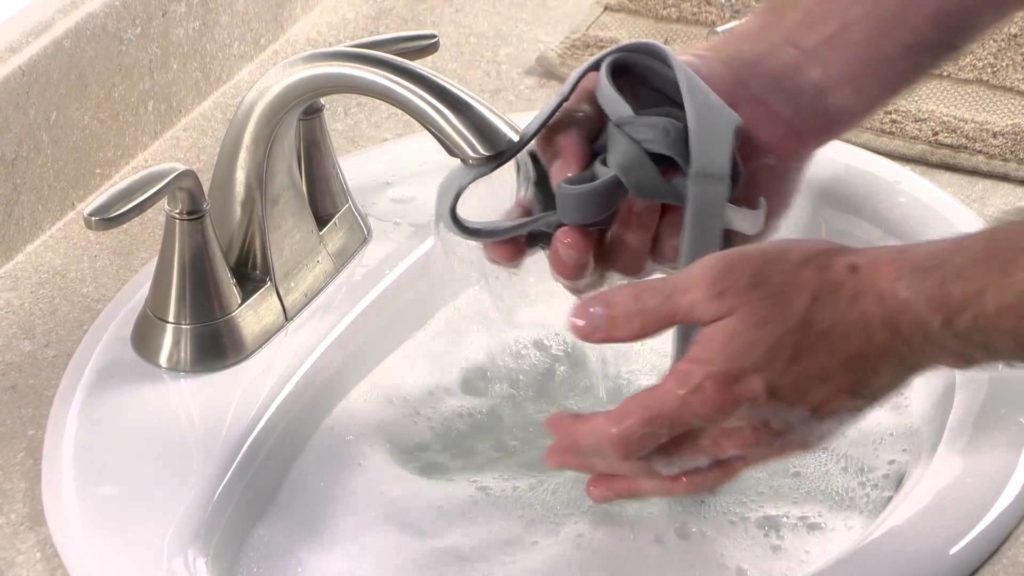
Getting your CPAP Ready for the Fall Season
wp:paragraph Now that the weather is slowly starting to transition into the cooler fall temperatures, the nights are now getting cooler. The fall can be a fantastic time to make sure your CPAP machine is in perfect working condition. This is to ensure your sleep apnea is being treated and you have a good night’s sleep without any interruptions. /wp:paragraph wp:paragraph Here are a few ways to get your CPAP machine ready for the fall months; /wp:paragraph wp:paragraph Give your CPAP a deep clean /wp:paragraph wp:paragraph While cleaning your CPAP machine is recommended on a regular basis, doing a deep clean every so often can be extremely beneficial and can extend the life of some of the parts to your CPAP machine. It is best to clean the CPAP parts in the morning and leave them out to air dry so they are clean and dry once it’s time for bed. Do not leave any parts in direct sunlight and do not use bleach to clean your CPAP. /wp:paragraph wp:paragraph Take inventory of your CPAP parts /wp:paragraph wp:paragraph The fall can be an excellent time to take inventory on any parts that may be starting to wear down. Many items such as the mask cushions, tubing, headgear, and/or chin straps (if applicable) do have a life span. If you find these are starting to wear down, then now is the perfect time to be replacing these parts. It is also helpful to check the machine itself; if the cords are starting to wear down or the machine is not working to its full potential, you may need to think about replacing it. Check out www.papsmart.com for any CPAP parts you need. /wp:paragraph wp:paragraph Double-check the CPAP humidifier /wp:paragraph wp:paragraph Now that the nights are cooler, you may find yourself making use of the humidifier more often than before. Be sure to check the humidifier filters at least once a week. If they are dirty or discolored, then it is time to replace them or clean them (if they are not disposable). The humidifier can be a fantastic addition to your CPAP, especially in the cooler months, so it is important to make sure it is in perfect working condition. /wp:paragraph
Learn more about Getting your CPAP Ready for the Fall Season
Sleeping Tips for the Traveller
wp:paragraph Now that a few Covid-19 travel restrictions are slowly starting to lift in a few places, a lot of people are starting to plan for that trip that either got postponed, or that has been on their mind for the past year and a half while in quarantine. /wp:paragraph wp:paragraph If you do plan on traveling in the near future, it is important to think about your sleeping arrangements for when you are away, whether you are staying relatively close to home, or you are boarding a plane to fly to a different time zone. Don’t let a poor night’s sleep ruin your vacation. /wp:paragraph wp:paragraph Here are a few tips for getting a good night’s sleep while away from home; /wp:paragraph wp:paragraph Stick to your own sleep schedule /wp:paragraph wp:paragraph If you are staying within the same time zone (or even if it’s different by around an hour or two), try to go to bed and wake up as close to your normal times as you possibly can. Sticking to a familiar bedtime routine will also be helpful. Make sure you also get lots of exercise during the daytime, this way you will be tired at night and it will be easier to fall asleep. /wp:paragraph wp:paragraph Make adjustments to the current time zone /wp:paragraph wp:paragraph Jet lag is no fun to have to deal with when traveling. As difficult as it may be, try to accustom yourself to the current time zone in order to make the most of your trip. If you have to take an overnight flight, try and get some sleep on the plane if you can. If there is still daylight when you arrive, try and stay awake as much as you can in order to properly adjust your body and go to sleep once it’s dark out. /wp:paragraph wp:paragraph Bring any necessary sleep aids /wp:paragraph wp:paragraph If there is something that helps you to sleep better, be sure to bring it! Many travelers use earplugs or a portable white noise machine to sleep, especially in a hotel. Taking melatonin before bed while away can also be helpful in helping your body to maintain its regular sleep/wake schedule. /wp:paragraph
Learn more about Sleeping Tips for the Traveller
Six Sleep Tips for Post-Secondary Students
wp:paragraph With the long summer days coming to an end, classes for college and university are just starting for the year and whether you are going back to on-campus learning or your classes are still virtual, it’s time to get your sleep routine in check. /wp:paragraph wp:paragraph It’s no secret that post-secondary students are not exactly known for having the best sleeping habits. Sleep is essential for everyone, but if you are a student in college or university, it is more important than ever to make sure you are well-rested during the daytime so you can concentrate on your studies and have a successful semester. /wp:paragraph wp:paragraph Here are a few tips for post-secondary students to get a good night’s sleep; /wp:paragraph wp:list {"ordered":true,"type":"1"} Keep your sleep schedule as consistent as possible: many class schedules in college and university can vary day to day, meaning you may have to deal with classes in the early mornings and/or late evenings. Try your best to go to bed and wake up at within 1-2 hours (even on weekends!) Practice good sleep hygiene: make sure your sleep environment is cool and dark, take advantage of blackout curtains and earplugs if necessary. Following a relaxing routine right before bed will also be important to help you prepare for a good night’s sleep. Don’t use your bed for anything other than sleeping: as tempting as it may be to take your laptop on the bed to finish that essay, don’t do this! Avoid caffeine before bedtime: a cup of coffee may seem tempting if you are doing homework into the evening hours but this will keep you awake at night. Keep alcohol, nicotine, and cannabis to a minimum: all of that late night partying is not great for your sleep cycle. Limit how much you drink in the evening hours and don’t use nicotine or cannabis too close to bedtime. Keep your naps short: if you absolutely need to nap during the daytime, one hour or less is recommended, that way it doesn’t interfere with your bedtime. /wp:list
Learn more about Six Sleep Tips for Post-Secondary Students
Five Ways That Your Diet Can Impact Your Sleep
wp:paragraph It’s no secret that sleep and nutrition play a vital part in your overall health, but did you know that there are certain ways that your diet can make it easier or harder for you to get a good night’s sleep? /wp:paragraph wp:paragraph Fueling your body with the proper foods is essential to living a healthy lifestyle, which includes how you sleep at night. Experts recommend a balanced diet that includes lots of fruits and vegetables as well as the recommended intake of vitamins and nutrients. /wp:paragraph wp:paragraph Here are five ways that your diet may be negatively impacting your sleep; /wp:paragraph wp:paragraph Large meals close to bedtime: Going to bed on a full stomach is not only uncomfortable, but it can cause you to have a harder time sleeping. Your body will take a lot longer to digest meals once you are sleeping. If you need to have a snack, stick to something small like herbal tea or a pack of almonds. /wp:paragraph wp:paragraph Spicy Foods: While consuming large meals before bedtime is not recommended, did you know that spicy food may impact your sleep? Some of the seasoning with some very spicy dishes have been known to cause heartburn, which can lead to indigestion that could interrupt your sleep. If you enjoy spicy foods, it’s okay to consume them in moderation but don’t overdo it too late in the day. /wp:paragraph wp:paragraph Too much caffeine: Did you know that caffeine can linger in your system for up to 5 hours after consumption? Trying to fall asleep when you are feeling jittery is no fun. Avoid consuming caffeinated beverages too late in the day and be aware of other foods that may contain caffeine as this could affect your sleep as well. /wp:paragraph wp:paragraph Alcoholic beverages: Alcohol has been known to make people feel drowsy, however, it is also known to negatively affect your REM sleep cycle, which is vital for getting a good night’s sleep. Limit the number of drinks you consume in the evening hours and don’t use it as a sleep aid. /wp:paragraph wp:paragraph Too much hydration: While drinking lots of water throughout the day is fantastic, be careful of how much you drink at night unless you want your sleep to be interrupted by frequent bathroom visits. It’s best to stop water consumption around 60-90 minutes before bedtime, aside from a few sips if necessary. /wp:paragraph
Learn more about Five Ways That Your Diet Can Impact Your Sleep
Back to School Sleep Tips
With the summer winding down and the start of the school year just around the corner, the late nights and the bad habits that come with the summer holidays will soon be coming to an end. Whether you work at a school as a teacher or support staff employee, or you are getting your own kids ready for the school year, getting enough sleep is important. Adults typically need around 7-8 hours of sleep per night while children need to sleep longer (around 9-10 hours) in order to nourish their growing bodies. Here are a few ways both adults and children can adjust their sleep routine for the coming school year. Start the transition sooner If you or your kids have become used to later nights this summer, start at least a week before school starts and move bedtime up gradually by a little bit each night. Try to also make sure to wake up at the time that you will need to get up for school. Routine is Important! Make sure you establish a proper bedtime routine and stick to it! This is especially important for children, who need a routine and consistency in their day. Try and practice this as much as possible before school starts. Put the devices away Make sure to turn off the TV, tablets, laptops, and other devices before bedtime and keep them out of the bedroom to promote healthy sleep. The blue light from a lot of devices is bad for anyone, but especially for children whose brains are still developing, not to mention this will keep them awake longer and throw off the entire bedtime routine. Practice healthy habits Make sure you eat healthily and stay active throughout the day as this will help both adults and children to sleep well at night. Avoid consuming caffeine, alcohol, or energy drinks when it is almost bedtime.
Learn more about Back to School Sleep Tips
Five Sleep Tips for Shift Workers
wp:paragraph Do you work irregular hours (or overnight shifts) and find yourself struggling to maintain a sleep schedule? You are not alone. There are many people who don’t work the typical 9-5 hours, therefore they do not always sleep at the same time every night. Sleep is essential for you to be at your best, especially at work, so it is important to make the most of the sleep you can get, no matter what time of day it is. /wp:paragraph wp:paragraph While it may seem easier said than done, there are ways to help you sleep better even if you are working an irregular schedule. Here are a few tips to make the most of your sleep if you are a shift worker. /wp:paragraph wp:list {"ordered":true,"type":"1"} Limit Caffeine /wp:list wp:paragraph One cup of coffee is okay at the start of your shift, and maybe a small cup every 1-2 hours, just to keep you awake during your shift but try to avoid caffeine at least 3-4 hours before bedtime. /wp:paragraph wp:list Create the perfect sleeping environment /wp:list wp:paragraph If you need to sleep during the day, keep your bedroom or designated sleeping area as dark as possible (blackout curtains would work best for this) and keep the temperature of the room on the cooler side. /wp:paragraph wp:list Limit Distractions /wp:list wp:paragraph Keep your phone and other devices on silent and ask other members of your household not to disturb you while you are sleeping unless it is an emergency. /wp:paragraph wp:list Follow a routine /wp:list wp:paragraph Make sure you follow the same bedtime routine when going to sleep, even if it is the daytime or your schedule is inconsistent. This will help your body to wind down and prepare for sleep. /wp:paragraph wp:list Set boundaries /wp:list wp:paragraph If at all possible, try to place limits on the amount of overnight shifts you take on, as the irregular schedule can be hard on your body. If this cannot be avoided, this is where having a routine will be extremely important. Speak to your doctor if you are experiencing multiple episodes of insomnia or other sleeping problems. /wp:paragraph
Learn more about Five Sleep Tips for Shift Workers