

News
What is the difference between CPAP and APAP?
wp:paragraph When you have sleep apnea, getting treatment is the right step to feeling rested and becoming healthy again. Chances are you were prescribed a Continuous Positive Airway Pressure (CPAP) machine as part of your treatment. By wearing a mask over your face or mouth, this device sends a steady and continuous flow of air through your airways to keep them open while you sleep. This prevents the frequent interruptions in your sleep to make sure you get a quality slumber each and every night. /wp:paragraph wp:paragraph Although it is the common term, did you know that CPAP is not the only type of sleep apnea treatment out there? Another option is the Automatic Positive Airway Pressure (APAP) machine. Like a CPAP machine, the APAP also delivers air into your airways to keep them open while you sleep. That leads to the question: what are the differences between the two and which one is right for you? /wp:paragraph wp:paragraph CPAP Versus APAP /wp:paragraph wp:paragraph Seeing as both types of machines delivers a constant flow of air, which one do you choose? The key is in the amount of pressure that each type delivers. A CPAP machine has only one pressure setting for the air it sends. Even if your weight, your sleeping position, or your state of sleep changes, the pressure does not change when using a CPAP machine. /wp:paragraph wp:paragraph On the other hand, an APAP machine has automatically adjusting settings. When it senses changes in your sleep needs, the machine will change between the lower and higher pressures during the night so that your get quality sleep. Even better, you can choose to set your APAP machine to just one setting to mimic a CPAP device. /wp:paragraph wp:paragraph Make the Best Choice /wp:paragraph wp:paragraph Different types of machines to address sleep apnea have their own benefits and drawbacks. Consider comfort, durability, restfulness, and affordability when determining whether to choose CPAP or APAP. Ask your doctor for advice and ask your sleep apnea technician for recommendations. And don’t be afraid to try both types of machines to see which one is better for you. Make the right choice, and get back on the road to quality sleep. /wp:paragraph
Learn more about What is the difference between CPAP and APAP?Your Fall and Winter CPAP Survival Guide
wp:paragraph Temperatures have taken a dip. As we get away from warmer temperatures and move toward colder nights, it may be time to consider how humidity affects your CPAP. /wp:paragraph wp:paragraph During the Fall and Winter months our indoor air usually becomes drier. This could cause dry nasal passages, increase cold symptoms, and issues with congestion. Many of these symptoms could be alleviated with the use of a humidifier. /wp:paragraph wp:paragraph Humidity is the amount of water vapor in the atmosphere or a gas. A humidifier will add moisture into your room to prevent the dryness that will could affect your CPAP's usefulness in the Fall and Winter months. /wp:paragraph wp:paragraph Things to consider when using a humidifier include: /wp:paragraph wp:paragraph 1. Your condition: Work with your doctor to see if adding a humidity to your CPAP routine will work for you. Humidifiers are great for dry skin and throat, bloody nose or nose irritation, and sinus congestion. /wp:paragraph wp:paragraph 2. Type of humidifier: Humidifiers come in all shapes and sizes. Types of humidifiers include central humidifiers, evaporators, impeller humidifiers, steam vaporizers, and ultrasonic humidifiers. Do some research on your own and also consult your doctor on which will work best with your situation. /wp:paragraph wp:paragraph 3. Controlling humidity: To prevent dust mites, harmful bacteria, mildew and mold, use should keep your humidity between 30 and 50 percent. /wp:paragraph
Learn more about Your Fall and Winter CPAP Survival GuideCPAP With Humidity - All you need to know!
wp:paragraph When you are prescribed a CPAP machine to treat your sleep apnea, you may feel that you have a new lease on life! Better sleep, increased concentration, and overall quality health – what more could you ask for? /wp:paragraph wp:paragraph The potential issue is that, because your CPAP machine gently pushes air into your airways, this action could end up creating some irritation. This could cause you to produce too much mucus that may lead to sneezing and congestion. And if left untreated, your airways could start to bleed. /wp:paragraph wp:paragraph However, the answer to this issue isn’t to forego a CPAP machine. Adding humidity is the key to reducing dryness and minimizing related issues. Because everyone has different preferences, you can chose from different types of humidifiers. These both use the same general mechanism - using heat to create moisture. You can adjust the heat levels to find the right level of humidity. The water chambers tend to be small, and therefore convenient. /wp:paragraph wp:paragraph Humidifier options: /wp:paragraph wp:list Optional - Separate heated humidifier: This option includes a small water chamber and heater that snaps together with your CPAP unit, giving you the option to travel with or without your humidifier. Built In - Integrated humidifier: This type is built into your CPAP machine creating an integrated device. Note that this usually limits your CPAP options. /wp:list wp:paragraph You may have to try out different types and brands of humidifiers to find the one that works for you. Ask your CPAP vendor about all available humidifiers that are on the market. Once you find the right one, say goodbye to dry throat and noses for good! /wp:paragraph
Learn more about CPAP With Humidity - All you need to know!When is it Time For a New CPAP Mask?
wp:paragraph You have probably experienced something like this before... you run almost four times a week and after a while notice a hole in your favorite running shoes. In another instance, you have had your bed for several years, but for the past week, you have began to wake up with back pain. The quick solution for both of these instances is to begin the replacement project for these items that had been subjected to wear and tear. /wp:paragraph wp:paragraph Just like your other household and personal items, your CPAP mask provides telltale signs when a replacement is on the horizon. Things to lookout for include: /wp:paragraph wp:paragraph 1. It no longer fits comfortably or properly. Constantly readjusting your mask can reduce how long it can work effectively. /wp:paragraph wp:paragraph 2. There are leaks. Many outside forces can cause the cushions in the mask to deteriorate over time. If you feel there are leaks caused by deterioration, it may be time for a new mask. /wp:paragraph wp:paragraph 3. It shows sign of irreversible hygiene issues. It is important to clean your device thoroughly and properly. Ensure proper drying to reduce risks of mold and/or mask damage. Even with a good mask hygiene routine, your mask will need to be replaced regularly. /wp:paragraph wp:paragraph 4. It shows signs of damage. Over time, things begin to show signs of wear and tear. It may be time for replacement if your cushions lose shape, are torn, and peel away from the mask. /wp:paragraph
Learn more about When is it Time For a New CPAP Mask?
Sleepy All The Time? Find Out What Sleep Apnea Feels Like
One of the most common sleep disorders today is sleep apnea. This condition causes people to endure many breaks or pauses in their breathing while sleeping. Because it happens while asleep, many sufferers of sleep apnea may simply think that they are just the victims of poor sleeps, and nothing more. The issue is that, if left untreated, you can be subject to more severe health consequences, such as high blood pressure, stroke, and more. So how do you know if you have sleep apnea rather than just a bad sleep? What does it feel like to have sleep apnea? Maybe these following points describe you: You are always sleepy: You often go to bed early and get at least 7 hours of sleep. So why are you still tired all the time? While you think your sleep is uninterrupted, sleep apnea causes you to wake up many times at night, leaving you chronically fatigued, never refreshed. You could have trouble focusing on daily tasks, and you maybe even doze off at unfortunate times. You often wake up with a headache: A very common symptom of sleep apnea is having many headaches, especially after just waking up. Sleep apnea reduces the amount of oxygen to your blood vessels that lead to your brain, causing vascular headaches, even after a supposed good sleep. Cranky, irritable, or depressed: Living with sleep apnea will likely cause you to become very cranky, irritable, and over time, clinically depressed. Losing sleep each night, every night reduces the quality of your sleep, which, in turn, affects your mood. Are you short-tempered, anxious, or have mood swings? It could sleep apnea. If you have experienced the above symptoms consistently, you could have a sleep disorder like sleep apnea. To get a better night’s sleep, ask your doctor about your symptoms to see what treatment options are right for you. Get back to your old self again! Discover the Smart Nora Snoring Solution
Learn more about Sleepy All The Time? Find Out What Sleep Apnea Feels LikeGetting ready for 2016: New Year’s Resolution tips for CPAP Users
wp:paragraph Happy 2016! The New Year signifies a fresh start and a new beginning for many people. Some try to exercise more and eat better, others simply strive to be more open minded in their lives. If you use a CPAP machine, the New Year can also be a perfect time to step it up in terms of your parts replacement schedule, or improving your overall sleep habits. /wp:paragraph wp:image {"id":3665,"sizeSlug":"large"} /wp:image wp:paragraph As big as New Year’s Resolutions are for making improvements for people, prioritizing sleep is incredibly important to your overall health, especially for those who use a CPAP machine. Not only does this improve your experience using the machine, but getting a good night of sleep also affects how you function during the daytime. So the start of the New Year is the perfect time to take advantage of making positive changes to your overall sleep health. /wp:paragraph wp:paragraph Here are some tips for CPAP users to consider for the New Year: /wp:paragraph wp:list Has your bed time fluctuated over the holidays? This happens to a lot of people over the holidays with many late nights. It is best to go to bed at the same time each night, and wake up at the same time each day (or at least very close to it) Take some time to sit down and set your parts replacement schedule for the year. In order to keep your CPAP machine and its parts in perfect working condition, they will need to be replaced or upgraded on a regular basis. This is a good opportunity to take inventory of what you have, and what you may need in the coming future, so you can budget it in too (as it’s no secret that some important CPAP parts can break the bank). Avoid having heavy meals close to bedtime, and avoid drinking caffeinated beverages too late in the daytime. Avoid the use of electronic devices too close to bedtime (yes that includes the TV) If you aren’t doing so already, be sure to make a habit of cleaning your machine and its parts on a regular basis (at least once a week) Practice good diet and exercise. Even though many people may already have this as their New Years resolution, this can work wonders in helping you to sleep better at night /wp:list
Learn more about Getting ready for 2016: New Year’s Resolution tips for CPAP Users
Keeping up with your CPAP routine throughout the holidays
wp:paragraph It’s that time of the year again! For many of us, the Christmas holidays often involves spending time with loved ones, and yes, indulging in some stuff that you may not normally be into during the year. This includes alcohol, delicious food, lots of stress and many late nights. As fun (or not) as it may be, all of this can contribute to some terrible nights of sleeping, which can result in some grinchy-like behaviour in the morning. /wp:paragraph wp:paragraph There may be a lot going on for you during the holidays, however you can still have a great time AND sleep well each night. Here are a few tips for staying into your normal sleep routines during the holiday season. /wp:paragraph wp:list Be careful with how much alcohol you drink: as nice as it may be to let loose at that office party or on Christmas Eve with the family, having too much to drink can lead to you having a terrible sleep. You may be falling asleep faster than normal, however your sleep apnea symptoms can get significantly worse from drinking. It is okay to indulge in some not so healthy foods, but don’t overdo it: it may be especially tempting to indulge on some sweets after dinner, but experts say that eating too much before bedtime can keep you awake at night, especially anything containing caffeine or sugar. That doesn’t mean that you can’t treat yourself at all, but know where to stop. Try to go to bed and wake up at the same time each day: maybe you’re spending a few nights away from home, or maybe you have guests that have come to stay with you. But keeping up with your sleeping routines is very important to sleeping well. Late nights are okay, but try not to go to bed any later than an hour past your bedtime. Try not to stress yourself out: we all know that the holidays can be a stressful time, between last minute Christmas shopping, cooking for family gatherings and more. But did you know that stress is a huge contributing factor for poor sleep? Be sure to take time for yourself to de-stress, even if it means vegging on the couch and watching your favourite Christmas movie. Get some fresh air: whether the ground is white where you live, or whether there’s barely a snowflake on the ground, indulging in some natural daylight helps your circadian levels which in turn can help you to sleep better at night. Stay consistent with your CPAP machine each night: if you think that just one night without your CPAP machine will be nothing, think again. Your sleep apnea symptoms will worsen and you will be in for some sleepless nights. It’s really not worth it at this time of the year. /wp:list
Learn more about Keeping up with your CPAP routine throughout the holidays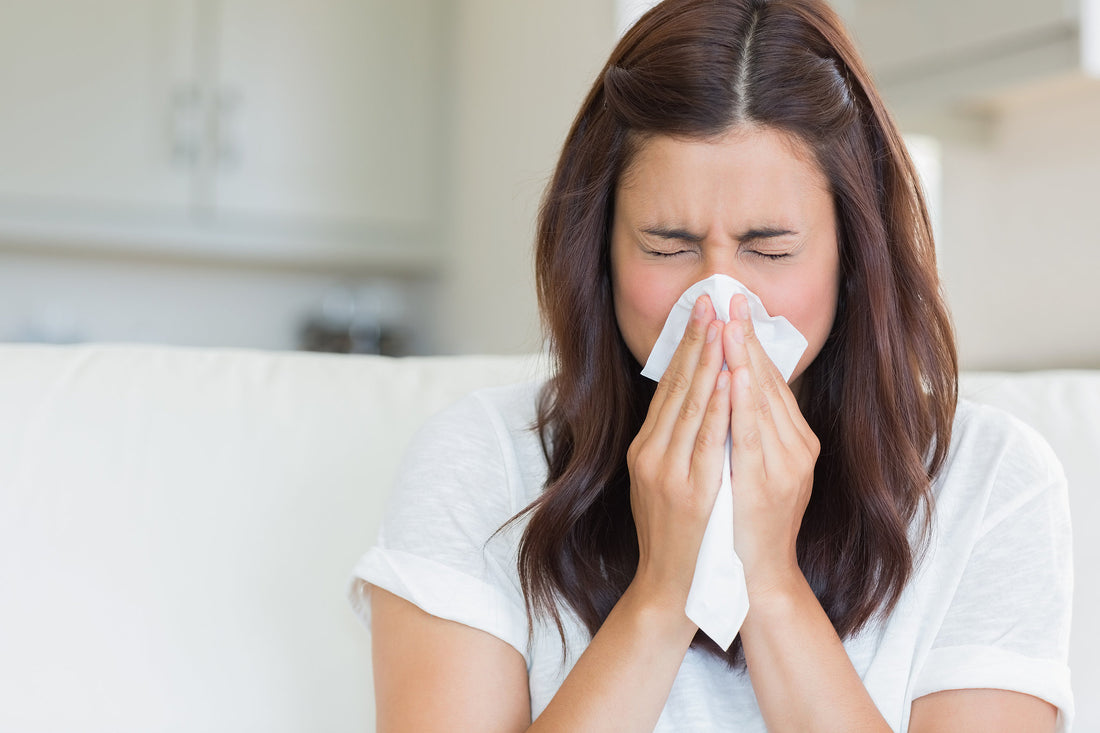
The dreaded cold and flu season: survival tips for CPAP users
wp:paragraph Well, it’s that time of the year again. People all around you have been feeling under the weather and you probably have figured out that cold and flu season is in full swing. If you haven’t come down with something already, chances are, either you or someone you know will get something soon enough. /wp:paragraph wp:paragraph If you use a CPAP machine, then you know all too well how uncomfortable a cold can be when trying to use the machine at night as you normally would. As tempting as it may sound, it is of no benefit to you if you decide to set the machine aside just for a night or two until you can breathe normally again. If having a cold wasn’t bad enough, you will not have the benefit of being able to sleep soundly though the night if you forgo your CPAP therapy. So then you’ll not only be sick, but you will lose sleep as well, which is crucial for fighting off your cold! It may sound like a challenge, but you can fight off this cold AND not lose any sleep from getting frustrated with your CPAP machine. /wp:paragraph wp:paragraph Here are some tips that can help to both alleviate your cold and help you sleep better at night, without having to set the CPAP machine aside for the night. /wp:paragraph wp:list Try using an over the counter saline nasal spray: this will help to add moisture to your sinuses and reduce the swelling to help you breathe a bit easier Add a heated humidifier to your CPAP machine: this works wonders for CPAP users as the heat helps to add moisture to your sinuses. For best results: be sure to position the humidifier lower than the bed, and try to keep the room temperature on the warm side Try sleeping on your side, or prop your head higher so that your nasal passages are elevated Keep your CPAP machine and parts clean: ever wonder why we always talk about the importance of keeping your CPAP machine and parts clean? This is a prime time to ensure that your CPAP is germ free to help you recover faster Try switching to a full face mask as oppose to a nasal one, until your cold is gone Try an auto CPAP machine, as it will adjust the air flow settings to your breathing patterns, which are very different when you are sick. Be sure to seek help from your doctor if your symptoms progress for more than just a few days and you are still having trouble sleeping with the CPAP machine at night /wp:list wp:paragraph /wp:paragraph
Learn more about The dreaded cold and flu season: survival tips for CPAP users
CPAP usagein the post-secondary student
The American College of Health reports that approximately four percent of college students have sleep apnea. This is vital to how a person functions throughout the daytime. As we all know, sleep apnea causes a person to repeatedly stop and start breathing while they are sleeping, causing someone to be tired and groggy throughout the day. As a result, they don’t pay attention in class, it disrupts their studies (either by developing poor study habits or skipping it altogether) and it can interfere with their social lives. So how does this occur in college students in the first place? As mentioned above, college students arguably have the worst sleeping habits between the late study nights, heavy drinking and the occasional all-nighter. This can mess with the body’s internal clock, which regulates when you sleep, when you wake up and more. This can lead to something called “circadian rhythm disorder,” and this, in turn, can lead to more serious problems, such as sleep apnea. The CPAP machine is the safest, and most effective form of treatment for sleep apnea, weather you are 18 or 58. But admittedly, many students in that “college age” bracket may feel too embarrassed to use their CPAP machine, in fear that their friends will make fun of them. What’s important to remember here is the end result: a better night’s sleep for you, the ability to function normally throughout the day, and a happier, and more productive college experience. This age is about entering adulthood head first, and coming to terms with your CPAP machine is a huge part of that. The awkwardness of high school is now over and if you explain your condition to your friends, they should be accepting of it, and of you. Shop at Papsmart.com - The #1 Online CPAP Store.
Learn more about CPAP usagein the post-secondary student