

News
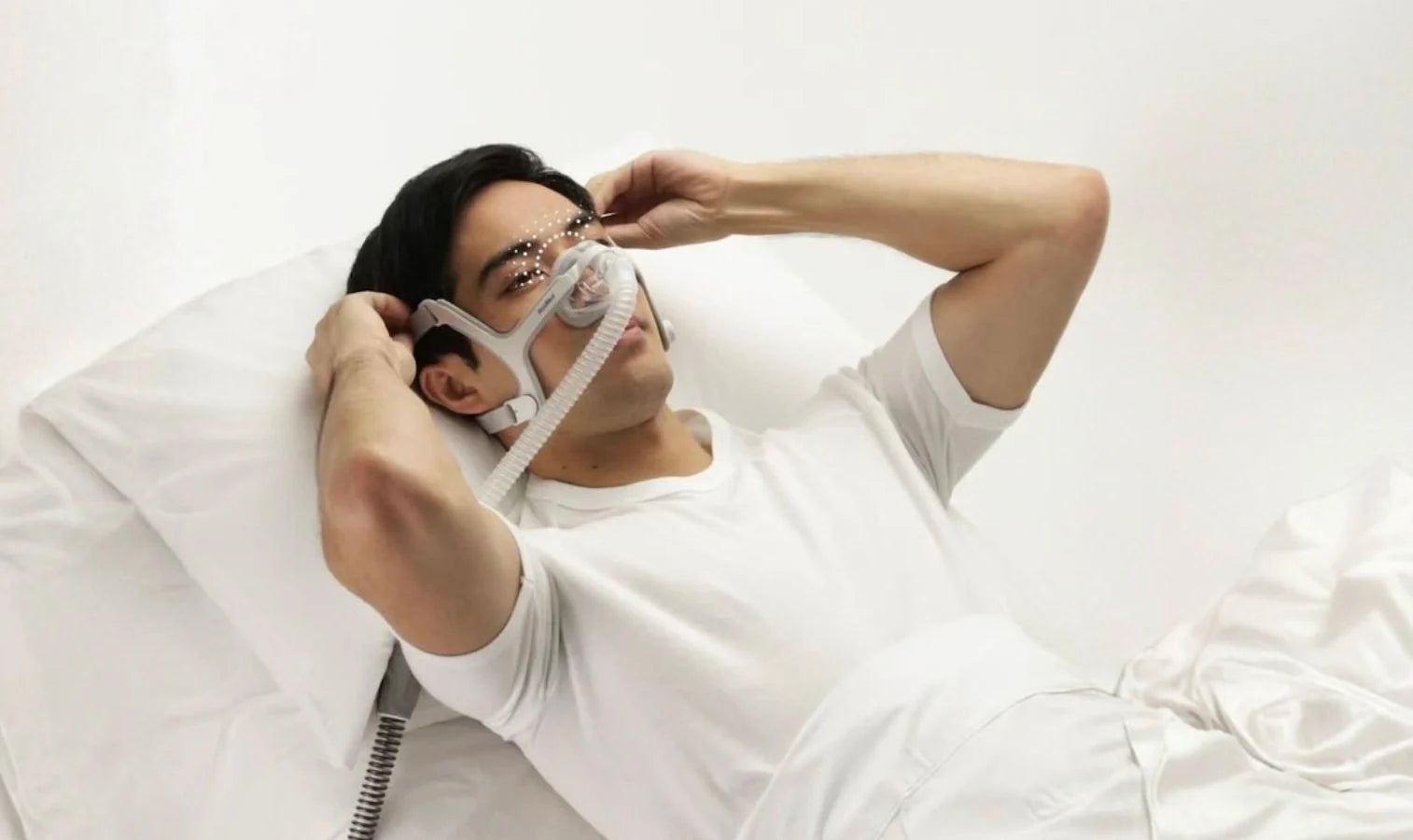

How to Store & Maintain Your CPAP Machine for Long-Term Use
Your CPAP machine works hard every night. Give it the care it needs. This guide covers daily and weekly CPAP cleaning routines, how to store your machine safely at home, what to pack when travelling, and exactly when to replace each part — so your therapy stays consistent for years.
Learn more about How to Store & Maintain Your CPAP Machine for Long-Term Use
Travel CPAP Machines: Portable, Lightweight Options You Can Buy in Canada
Travelling with sleep apnea doesn't have to mean disrupted therapy. This guide covers the best travel CPAP machines available in Canada, how to choose the right portable CPAP battery, what to pack in your travel case, and what to know before flying with your device.
Learn more about Travel CPAP Machines: Portable, Lightweight Options You Can Buy in Canada
Best CPAP Humidifiers for Comfort: Features, Pricing & Top Picks
Dry mouth and nasal dryness are the top reasons CPAP users quit therapy. This guide explains how a CPAP humidifier works, what features to look for, how to dial in your settings, and which options suit home use versus travel — with a comparison table and FAQ included.
Learn more about Best CPAP Humidifiers for Comfort: Features, Pricing & Top Picks
CPAP vs BiPAP Machines: Which Sleep Apnea Device Should You Buy?
Neglecting CPAP maintenance doesn't just affect hygiene — it reduces therapy effectiveness and can shorten the life of your machine. This guide covers every essential supply you need, how often to replace each one, and why it matters. Whether you're using a ResMed AirSense, a Respironics DreamStation 2, or a Fisher & Paykel machine, the same principles apply.
Learn more about CPAP vs BiPAP Machines: Which Sleep Apnea Device Should You Buy?
Best CPAP Cleaners & Sanitizers in 2026: What Works and What to Avoid
Your CPAP mask sits against your face for seven or eight hours every night. Without the right cleaning routine, bacteria, mould, and skin oils build up — shortening the life of your equipment and disrupting your therapy. This guide covers every major cleaning method, which ones actually work, which ones to avoid, and a simple schedule to keep your ResMed, Fisher & Paykel, or Respironics equipment in top condition.
Learn more about Best CPAP Cleaners & Sanitizers in 2026: What Works and What to Avoid
Essential CPAP Supplies & Accessories: Filters, Tubes, Cleaners & More
Your CPAP machine is doing important work every single night. However, it can only do that work well if the supplies around it are clean, functional, and replaced on schedule. Neglecting CPAP maintenance doesn't just affect hygiene — it reduces therapy effectiveness and can shorten the life of your machine. This guide covers every essential CPAP accessory and supply you need, how often to replace each one, and why it matters. We cover supplies for ResMed, Fisher & Paykel, and Respironics machines — including the DreamStation 2. Why CPAP Maintenance Actually Matters It's easy to overlook CPAP cleaning when the machine seems to be working fine. But over time, used filters restrict airflow, dirty tubing harbors bacteria, and worn mask parts leak air. All of these affect how well your therapy performs — even if the machine itself runs quietly. Beyond effectiveness, there's a hygiene issue. Your CPAP circulates air through parts that collect moisture, skin oils, and in some cases mold, if not cleaned regularly. Staying on top of CPAP maintenance protects both the machine and your health. The good news is that most CPAP upkeep takes less than five minutes a day. A consistent routine makes it easy. CPAP Filters: Your First Line of Defense CPAP filters stop dust, allergens, and airborne particles from entering the machine and reaching your airway. Most ResMed, Respironics, and Fisher & Paykel machines use two filter types. Disposable filters — Replace monthly. These are thin, white foam filters that catch fine particles. They're inexpensive and should be swapped out on a set schedule, not just when they look dirty. Reusable foam filters — Clean weekly, replace every six months. These thicker gray filters catch larger particles. Rinse them under warm water, let them dry completely, and reinstall. If you live in a dusty environment or have pets, consider replacing both filter types more frequently. Restricted airflow from a clogged filter forces the machine to work harder and may affect pressure delivery. CPAP Tubing: Often Overlooked, Always Important CPAP tubing connects your machine to your mask. It seems simple — but dirty or cracked tubing is a surprisingly common source of both hygiene issues and air leaks. How often to replace: Every three to six months, or sooner if you notice cracking, discolouration, or an unusual smell. How to clean: Wash weekly with warm soapy water. Rinse thoroughly and hang to dry completely before reattaching. Never reattach damp tubing — moisture inside the tube creates the right conditions for mold growth. Some users upgrade to heated tubing to reduce condensation in the tube overnight. If you wake up with water droplets in your tubing — a phenomenon called rainout — heated tubing solves the problem cleanly. This applies to ResMed AirSense machines as well as Respironics DreamStation and DreamStation 2 users. CPAP Wipes & Daily Cleaning CPAP wipes are designed specifically for mask cushions, frames, and machine surfaces. They remove facial oils and residue quickly without damaging silicone components. Use CPAP wipes every morning after removing your mask. This simple habit extends cushion life significantly and reduces skin irritation caused by oil buildup on the sealing surface. Standard household wipes, alcohol wipes, or baby wipes are not recommended. They can degrade silicone cushions and leave residues that irritate skin over time. CPAP Cleaners: Do You Actually Need One? CPAP cleaners — including ozone and UV-based devices — are marketed as a hands-free way to sanitize your equipment. They're popular, but worth understanding before you buy. What they do well: Sanitize mask cushions, tubing, and water chambers without soap and water. Convenient for travelers or anyone who struggles with a manual cleaning routine. What to know: Ozone cleaners require adequate ventilation after each cycle. Some manufacturers note that ozone can degrade certain materials over time with repeated use. UV cleaners are generally gentler on equipment. Manual washing with warm soapy water remains the gold standard for daily cleaning. A CPAP cleaner works best as a supplement — particularly for weekly deep cleaning — rather than a full replacement for manual washing. Full CPAP Replacement Schedule Here's a quick reference for how often to replace each supply: Supply Replacement Frequency Disposable filters Monthly Reusable foam filters Every 6 months CPAP tubing Every 3–6 months Humidifier water chamber Every 6–12 months Mask cushion Every 1–3 months Mask headgear Every 6 months Full mask Every 12 months Many private health insurance plans in Canada cover CPAP replacement parts on a set schedule. Keep your receipts and check your plan's approved replacement intervals. Pairing the Right Accessories With Your Machine If you're using a ResMed AirSense 10 or AirSense 11, ResMed-branded accessories are always the safest compatibility choice. The same applies to Respironics users — including those on the DreamStation 2 — and Fisher & Paykel machine owners. Brand-matched supplies ensure correct fit, airflow, and warranty compliance. Third-party tubing and filters can work, but verify they match your machine's specifications before purchasing. Shopping for Respironics or Fisher & Paykel supplies? PAPSmart carries supplies and accessories for Respironics machines — including the DreamStation 2 — as well as Fisher & Paykel. Dedicated supply guides for both brands are coming soon. In the meantime, browse all CPAP supplies or contact our team for a recommendation. Not sure which machine is right for you yet? Check out our ResMed AirSense 11 vs 10 comparison for a full breakdown. Also shopping for a new mask? Our CPAP mask buying guide covers every style and fit option available in Canada. Frequently Asked Questions How often should I clean my CPAP machine? Wipe your mask cushion daily. Wash your tubing, mask frame, and humidifier chamber weekly. Replace filters and worn parts on the schedule above. Can I use dish soap to clean CPAP equipment? Mild, unscented dish soap is generally safe for tubing and humidifier chambers. Avoid anything with moisturizers, fragrances, or antibacterial agents, as these can leave residues or degrade silicone. What happens if I don't replace CPAP filters? Clogged filters restrict airflow, which can affect pressure delivery and make the machine work harder. They also allow more particles to bypass filtration and enter your airway. Are CPAP accessories covered by insurance in Canada? Many plans cover replacement parts on a defined schedule with a valid prescription. Check with your insurer for approved frequencies and dollar limits. Do I need a CPAP cleaner or is manual washing enough? Manual washing is sufficient for most users. A CPAP cleaner is a convenient supplement — especially for weekly deep cleaning — but it's not a replacement for regular manual care.
Learn more about Essential CPAP Supplies & Accessories: Filters, Tubes, Cleaners & More
Buy CPAP Masks in Canada: Full Face, Nasal & Pillow Options Compared
Mask fit is one of the biggest reasons CPAP therapy succeeds or gets abandoned. This guide breaks down the three main CPAP mask types — full face, nasal, and nasal pillow — and explains who each style suits best. Whether you're a mouth breather, a side sleeper, or just starting out, you'll find the information you need to choose confidently and shop at PAPSmart.
Learn more about Buy CPAP Masks in Canada: Full Face, Nasal & Pillow Options Compared
Shop CPAP & BiPAP Machines in Canada: Top Brands, Prices & Best Sellers
Sleep apnea affects millions of Canadians — and finding the right treatment machine is one of the most important steps toward better sleep. This guide covers the key differences between CPAP and BiPAP machines, typical price ranges in Canada, how to choose the right mask, and what supplies you'll need for long-term therapy success.
Learn more about Shop CPAP & BiPAP Machines in Canada: Top Brands, Prices & Best Sellers
Has your sleep routine neen disrupted?
Life has a way of disrupting even the most consistent sleep routines. Whether it's a late event, major life change, or travel throwing off your schedule, getting back on track doesn't have to be overwhelming. This guide covers five practical strategies to restore your sleep cycle: from relaxation techniques and temporary sleep aids to optimizing your bedroom environment and avoiding common pitfalls like afternoon naps and pre-bedtime caffeine.
Learn more about Has your sleep routine neen disrupted?